




The Ultimate Guide to Dosing Pumps: Price, Buying Tips & Top Picks | Best Rates | Buying Guide | Detailed Tips | Maintenance | FAQ |
The Ultimate Guide to Dosing Pumps: Price, Buying Tips & Top Picks
Introduction
Dosing pumps are essential in industries like water
treatment, agriculture, food processing, and chemical manufacturing. They
ensure precise chemical injection, improving efficiency and safety. However,
with so many options available, choosing the right dosing pump at the right
price can be challenging.
In this guide, we’ll break down:
Dosing pump prices (budget to premium models)
Top product
recommendations with pros & cons
Key factors to
consider before buying
Maintenance tips for long-lasting performance
By the end, you’ll know exactly which dosing pump fits your budget and needs!
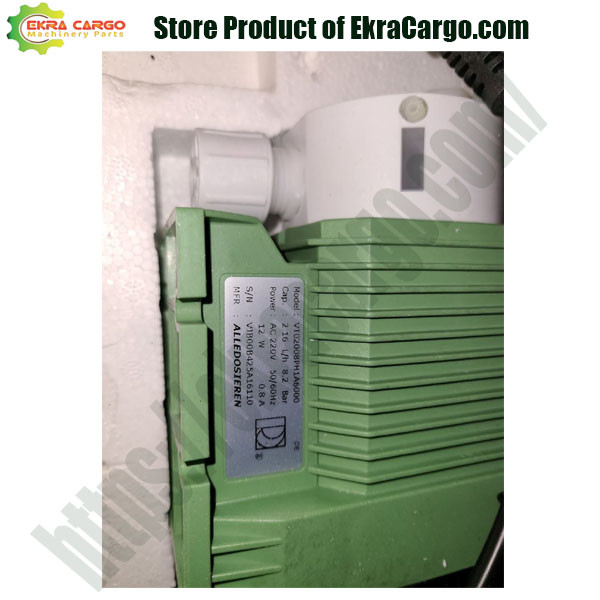
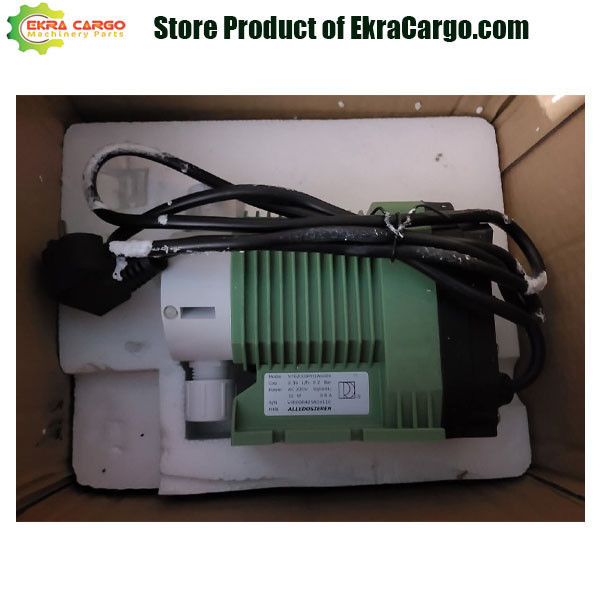
Check the product at Ekra Cargo
What is a Dosing Pump?
A dosing pump (or chemical feed pump) is designed to
inject precise amounts of liquids (chemicals, additives, or medications) into a
system. They are widely used in:
✔
Water treatment plants
✔
Agriculture (fertilizer injection)
✔
Food & beverage industries
✔
Oil & gas refineries
✔
Pharmaceutical manufacturing
Types of Dosing Pumps:
1.
Peristaltic Pumps – Ideal for corrosive chemicals, no contamination risk.
2.
Diaphragm Pumps – High accuracy, suitable for high-pressure applications.
3.
Piston Pumps – Best for high-viscosity liquids.
4.
Solenoid Pumps – Cost-effective, great for low-flow applications.
Dosing Pump Price Range (2024 Update)
Dosing pump prices vary based on type, brand, and
features. Here’s a general breakdown:
|
Type |
Price
Range (USD) |
Best For |
|
Peristaltic
Pump |
$100 – $2,500 |
Labs, water treatment |
|
Diaphragm
Pump |
$200 – $3,000 |
Industrial chemical dosing |
|
Piston Pump |
$500 – $5,000 |
High-viscosity fluids |
|
Solenoid
Pump |
$50 – $800 |
Low-budget, low-flow needs |
Budget vs. Premium Dosing Pumps
·
Budget Pumps ($50 –
$500) – Good for small-scale applications, but may
lack durability.
·
Mid-Range ($500 –
$1,500) – Balanced performance, suitable for most
industries.
·
Premium ($1,500+) – High precision, corrosion-resistant, long lifespan.
Top 5 Dosing Pumps – Pros, Cons & Price
Comparison
1. Blue-White Industries FLEXFLO Chemical Dosing
Pump
Pros:
✔
Highly accurate (±1%)
✔
Corrosion-resistant
✔
Easy calibration
Cons:
✖
Expensive (~$1,200)
✖
Requires professional installation
Best for: Water treatment plants, industrial use.
2. Grundfos Dosing Pump (DME Series)
Pros:
✔
Energy-efficient
✔
Smart digital control
✔
Long lifespan
Cons:
✖
High initial cost (~$2,000)
✖
Complex maintenance
Best for: Large-scale chemical dosing.
3. SEKO Peristaltic Dosing Pump
Pros:
✔
No contamination risk
✔
Self-priming
✔
Affordable (~$600)
Cons:
✖
Tubing needs frequent replacement
Best for: Food processing, pharmaceuticals.
4. Prominent Solenoid Dosing Pump
Pros:
✔
Budget-friendly (~$300)
✔
Simple operation
✔
Compact design
Cons:
✖
Limited to low-pressure uses
Best for: Small farms, aquariums.
5. Iwaki Magnetic Drive Dosing Pump
Pros:
✔
Leak-proof design
✔
Handles aggressive chemicals
✔
Low maintenance
Cons:
✖
Expensive (~$1,800)
Best for: Chemical processing, labs.
Buying Guide – How to Choose the Right Dosing Pump?
1. Determine Your Flow Rate Needs
·
Low flow (0.1 – 10 L/h) → Solenoid or peristaltic
pumps
·
Medium flow (10 – 100 L/h) → Diaphragm pumps
·
High flow (100+ L/h) → Piston pumps
2. Check Chemical Compatibility
·
Corrosive liquids? → PTFE or ceramic pumps
·
Abrasive fluids? → Diaphragm or peristaltic pumps
3. Consider Pressure Requirements
·
Low pressure (<5
bar) → Solenoid pumps
·
High pressure
(>10 bar) → Piston or diaphragm pumps
4. Look for Smart Features
✔ Digital control
✔
Auto-calibration
✔
Remote monitoring
5. Compare Maintenance Costs
·
Peristaltic pumps need tubing replacement
·
Diaphragm pumps require periodic diaphragm checks
Where to Buy Dosing Pumps?
You can purchase dosing pumps from:
Online Marketplaces – Amazon, eBay (budget options)
Industrial Suppliers – Grainger, McMaster-Carr (premium brands)
Direct from
Manufacturers – Grundfos, Prominent (custom solutions)
Final Verdict – Which Dosing Pump Should You Buy?
·
Best Budget Option: Prominent Solenoid Pump (~$300)
·
Best for Water
Treatment: Blue-White FLEXFLO (~$1,200)
·
Best for Chemicals: Iwaki Magnetic Drive (~$1,800)
Investing in the right dosing pump ensures efficiency, safety, and cost savings in the long run.
Conclusion
Choosing the right dosing pump depends on your
budget, flow rate needs, and chemical type. While cheaper models save money
upfront, premium pumps offer better accuracy and durability.
Need help selecting the best
dosing pump? Contact us for expert advice and
exclusive deals!
FAQ Section
Q: What’s the average lifespan
of a dosing pump?
A: 3-7 years, depending on maintenance and usage.
Q: Can I use a dosing pump for
viscous liquids?
A: Yes, but piston pumps work best for thick fluids.
Q: How often should I calibrate
my dosing pump?
A: Every 3-6 months for optimal accuracy.
By following this guide, you’ll find the perfect dosing pump at the best price. Save money, boost efficiency, and make a smart investment today!


Ekracargo.com - Your trusted partner in industrial efficiency, providing a wide range of premium quality spare parts at competitive prices.
Contact Info
- Address: House 54 | Road 14 | Sector 14 | Uttara | Dhaka 1230 | Bangladesh
- Phone: Contact: +8801634736139 (WhatsApp) ,+8801789394669 (WhatsApp)
- Email: info@ekracargo.com