




Understanding Concrete Compression Machine Price: A Comprehensive Buyer's Guide
For construction companies, material testing labs, and
civil engineering professionals, the compressive strength of concrete is a
non-negotiable metric of quality and safety. The essential tool for verifying
this is the concrete compression testing machine. However, a common and
critical question arises at the point of purchase: what determines the concrete
compression machine price? This in-depth guide is designed to
demystify the cost structure, providing you with the knowledge needed to
navigate the market. We will explore the key factors that influence investment,
from technical capabilities to operational features, empowering you to make a
decision that balances budgetary constraints with the uncompromising demands of
accuracy and durability.
The concrete compression machine price is not a single figure but a variable that reflects a machine's engineering, compliance, and technological sophistication. A clear understanding of these variables is the foundation of a prudent investment that will serve your projects reliably for years to come.
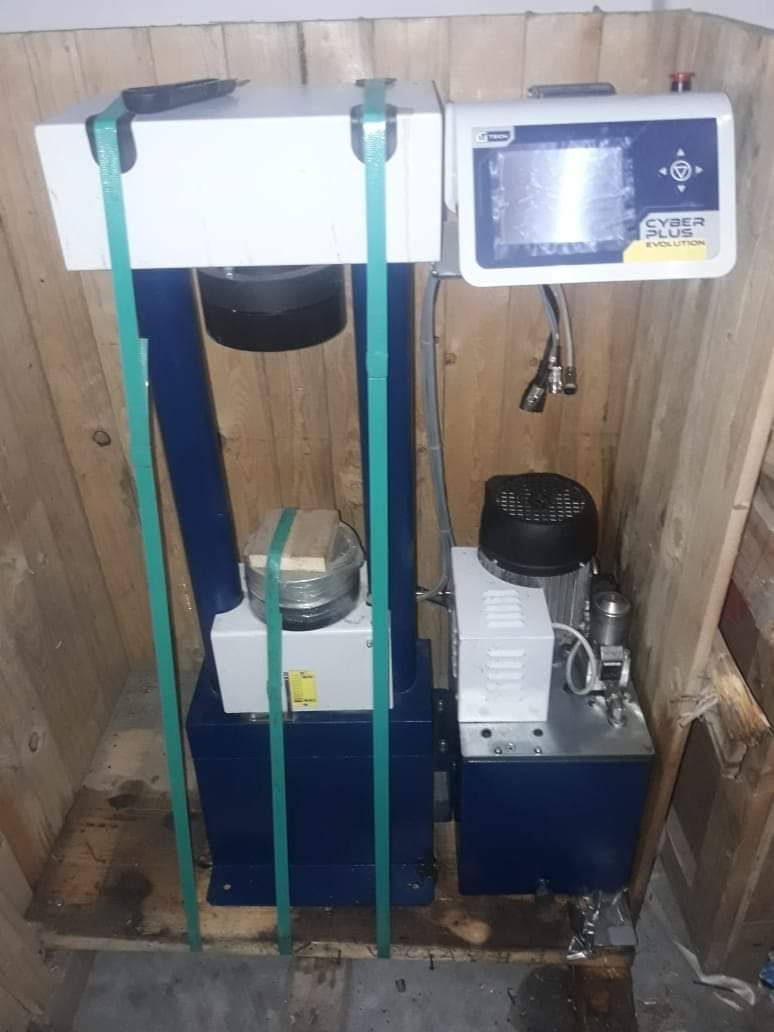
Compression Testing Machine for Concrete, Cement & Mortar.
Core Factors Influencing the Concrete Compression Machine Price
The final cost
of a compression testing machine is a direct function of its components and
capabilities. Here are the primary elements that shape the price tag:
1.
Machine Capacity and Structural Integrity
The maximum load capacity, measured in Kilonewtons (kN), is the most
fundamental specification. Standard machines for routine quality control often
feature a 2,000 kN (approximately 450,000 lbf) capacity. For testing
high-performance concrete or for specialized research and development applications,
capacities of 3,000 kN, 4,000 kN, or even higher are available.
·
Impact on Price: A higher capacity necessitates a more massive and rigid
load frame, superior hydraulics, and a more robust load cell. The increased
material costs and advanced engineering required to ensure the frame does not
deform under extreme stress lead to a significantly higher concrete
compression machine price.
2.
Degree of Automation and Control Systems
The level of automation is a major differentiator and one of the most
significant factors affecting both cost and operational efficiency.
·
Manual Machines: These represent the most economical entry point. Operation
is entirely hands-on, with an operator turning a handwheel to apply load and
reading the result from an analog gauge. While initially cheaper, they are
susceptible to operator-induced variations in load rate and human error in
reading results.
·
Semi-Automatic Machines: This category strikes an ideal balance for many
labs. They feature a digital display, automatic load rate control to maintain a
constant stress rate as per ASTM C39 or IS 516, and a digital peak load hold
function. This automation greatly improves accuracy and repeatability,
justifying a moderate increase in the concrete compression machine
price.
·
Fully Automatic Systems: At the premium end, these machines are integrated
with computer systems and sophisticated software. They not only control the
test and capture the failure load but also generate complete stress-strain
curves, store vast databases of test results, and produce detailed reports. The
investment in advanced electronics, software development, and integration
capabilities makes these systems the most expensive, but they offer
unparalleled data integrity and labor savings for high-throughput labs.
3.
Compliance with International Testing Standards
A machine must be manufactured to comply with specific international standards
to ensure its results are recognized and valid. Adherence to standards such as
ASTM (American Society for Testing and Materials), IS (Indian Standards), BS
(British Standards), or EN (European Norms) requires specific design features,
calibration procedures, and safety factors. Manufacturers investing in the
certification and rigorous quality control needed to meet these global
benchmarks will reflect that in the machine's cost.
4. Build
Quality, Durability, and Long-Term Support
A compression tester is a long-term capital asset. The quality of the
materials—such as the high-strength steel used in the load frame—the precision of
the load cell, and the reliability of the hydraulic pumps and valves all
contribute to its operational lifespan and measurement consistency. A
lower-priced machine from an unknown source may seem attractive initially but
can lead to frequent calibration drift, mechanical failures, costly downtime,
and questionable results. Investing in a well-built machine from a reputable
supplier often translates to better long-term value, consistent performance,
and accessible technical support.
Balancing Initial Cost with Long-Term Operational Value
The key to a
smart purchase is aligning the machine's specifications with your actual
testing volume, accuracy requirements, and future needs. For a small ready-mix
plant or a training institution, a semi-automatic machine often provides the
optimal balance, offering standard-compliant accuracy at a manageable concrete
compression machine price. For a large infrastructure company, a
government materials lab, or a research facility, the higher initial investment
in a fully automatic system is justified by substantial gains in efficiency,
data management, and error reduction, providing a strong return on investment
over time.
A
Detailed Look at a Versatile Testing Solution
To see how these
factors integrate into a practical offering, consider a machine built for
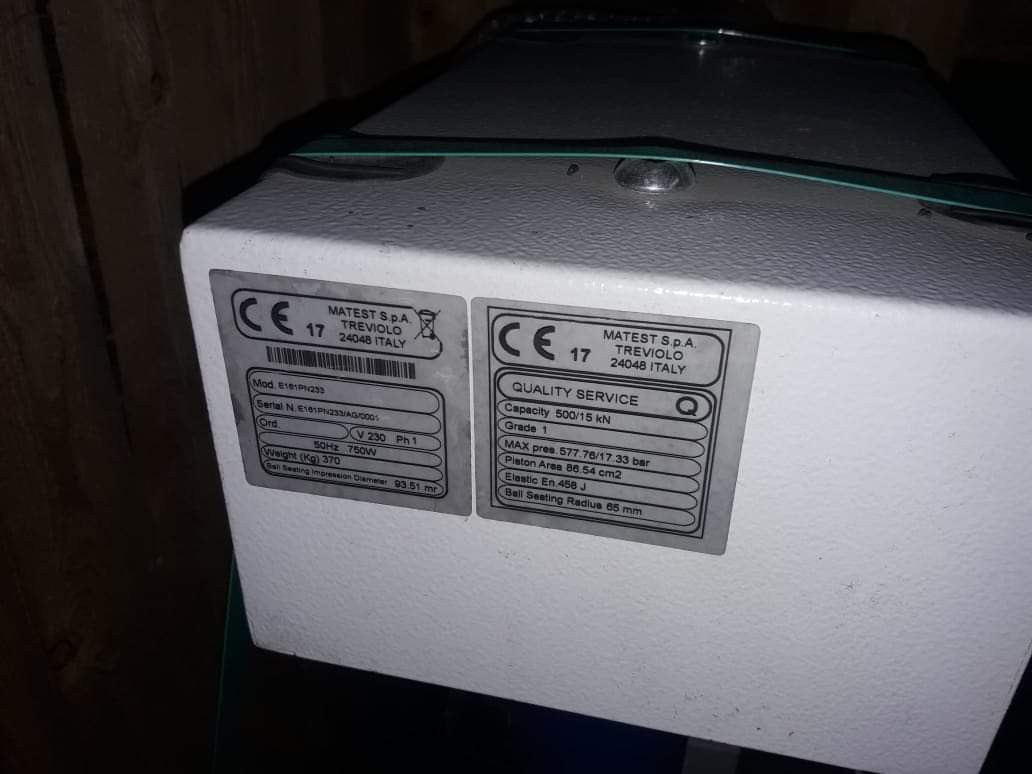
reliability across multiple applications. A representative example is this.
Such a unit is
typically designed to test concrete cubes, concrete cylinders, and cement or
mortar cubes, making it a versatile centerpiece for a construction materials
lab. It commonly features a heavily welded, stress-relieved load frame to
maintain perfect alignment during testing. The core of its measurement system
is a precision load cell, providing a highly accurate digital readout. Many
models include an automatic shut-off that engages upon sample failure, locking
the peak load value on the display. When you evaluate the concrete
compression machine price for a model with these features, you
are investing in a tool that delivers the durability, precision, and
operational reliability required for demanding professional environments.
The
True Cost of a Substandard Machine
It is critical
to look beyond the initial purchase price. A machine that is poorly calibrated
or constructed from inferior materials can produce inconsistent and inaccurate
data. The repercussions of such failures can be severe, including:
·
Approving sub-standard concrete, which can lead to catastrophic
structural failures, immense financial liability, and severe reputational
damage.
·
Failing conforming concrete, resulting in wasteful material
rejection, costly project delays, and unwarranted disputes with suppliers.
The potential
cost of an incorrect test result is exponentially greater than the initial
savings offered by a cheap, unreliable machine. Your compression testing
machine is your ultimate quality gatekeeper; its integrity is paramount.
Conclusion: An Investment in Safety and Quality Assurance
Navigating the
landscape of concrete compression machine price requires
a strategic evaluation of your technical needs against your financial
parameters. By thoroughly understanding the impact of capacity, automation, and
build quality, you can allocate your budget wisely. Remember, this machine is
not merely a piece of equipment; it is a vital investment in your quality
assurance process, safeguarding the structural integrity, compliance, and
safety of everything you build. A reliable and accurate machine protects your
projects, your reputation, and your bottom line, delivering value throughout
its entire service life.
Ready to determine the exact concrete compression machine price for your specific needs? Contact us today to request a detailed quotation, comprehensive specifications, and expert consultation to identify the ideal testing solution for your laboratory.


Ekracargo.com - Your trusted partner in industrial efficiency, providing a wide range of premium quality spare parts at competitive prices.
Contact Info
- Address: House 54 | Road 14 | Sector 14 | Uttara | Dhaka 1230 | Bangladesh
- Phone: Contact: +8801634736139 (WhatsApp) ,+8801789394669 (WhatsApp)
- Email: info@ekracargo.com