





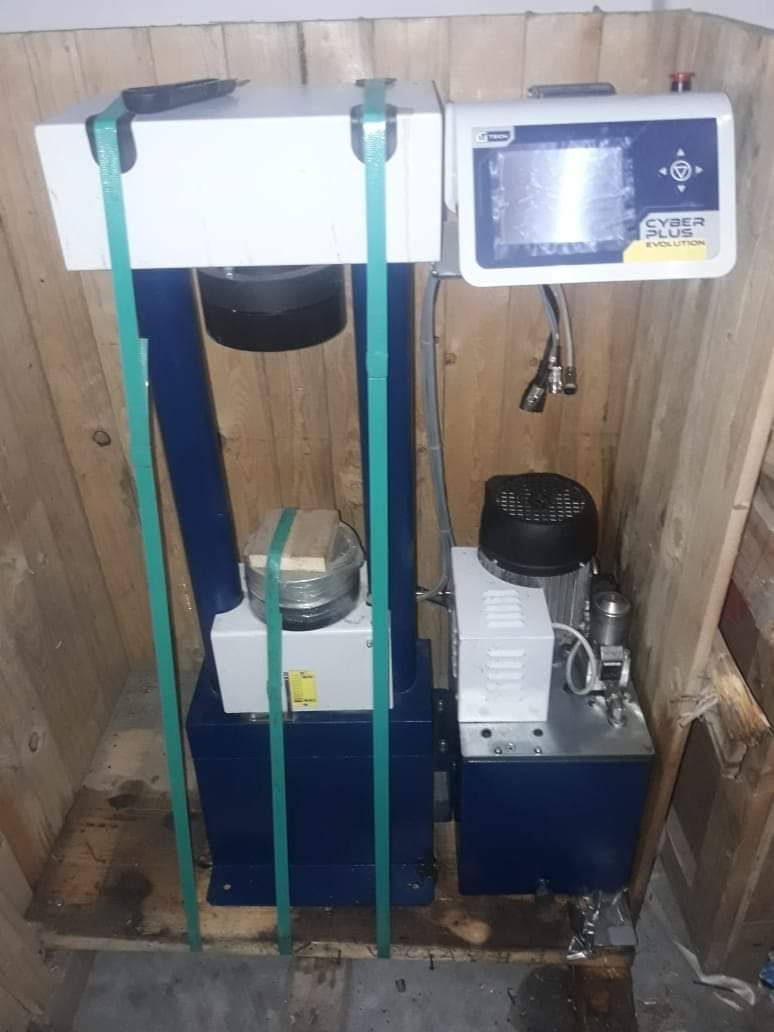
Understanding Compressive Strength Machine Price: A Comprehensive Buyer's Guide
For engineers, construction managers, and laboratory
technicians, the compressive strength of materials like concrete, cement, and
mortar is a non-negotiable metric. It is the cornerstone of structural
integrity, safety, and compliance with international building codes. The
primary tool for determining this critical property is the compression testing
machine. However, a common and crucial question arises at the outset of
procurement: what determines the compressive strength machine
price?
This comprehensive guide moves beyond a simple price tag. We will explore the technical specifications, types, and long-term value factors that influence the cost of these essential machines, empowering you to make a purchase decision that balances budget with performance and reliability.
Explore Our Compression Testing Machine Now!
What is a Compression Testing Machine and Why is it Vital?
A Compression
Testing Machine (CTM) is a precision instrument designed to apply a controlled
compressive force to a material sample—such as a concrete cube, cylinder, or
mortar brick—until it fails. The maximum load at the point of failure is recorded,
and the compressive strength is calculated by dividing this load by the
cross-sectional area of the sample.
The importance
of this equipment cannot be overstated. It is used across the construction
industry for:
·
Quality Control: Ensuring that concrete batches produced on-site or in a
ready-mix plant meet the specified design strength (e.g., M25, M30, M40).
·
Research and Development: Testing new mix designs, additives, or alternative
materials to assess their structural properties.
·
Regulatory Compliance: Verifying that materials comply with national and
international standards set by organizations like ASTM, IS, BS, and EN.
·
Structural Assessment: Evaluating the in-situ strength of existing
structures during safety audits or renovation projects.
Without accurate
compression testing, the safety and longevity of everything from residential
buildings and bridges to dams and skyscrapers would be compromised.
Key Factors That Directly Influence Compressive Strength Machine
Price
The cost of a
CTM is not arbitrary. It is a direct reflection of its design, capabilities,
and components. Understanding these factors will help you decipher why prices
vary and what you are paying for.
1.
Machine Capacity and Load Frame
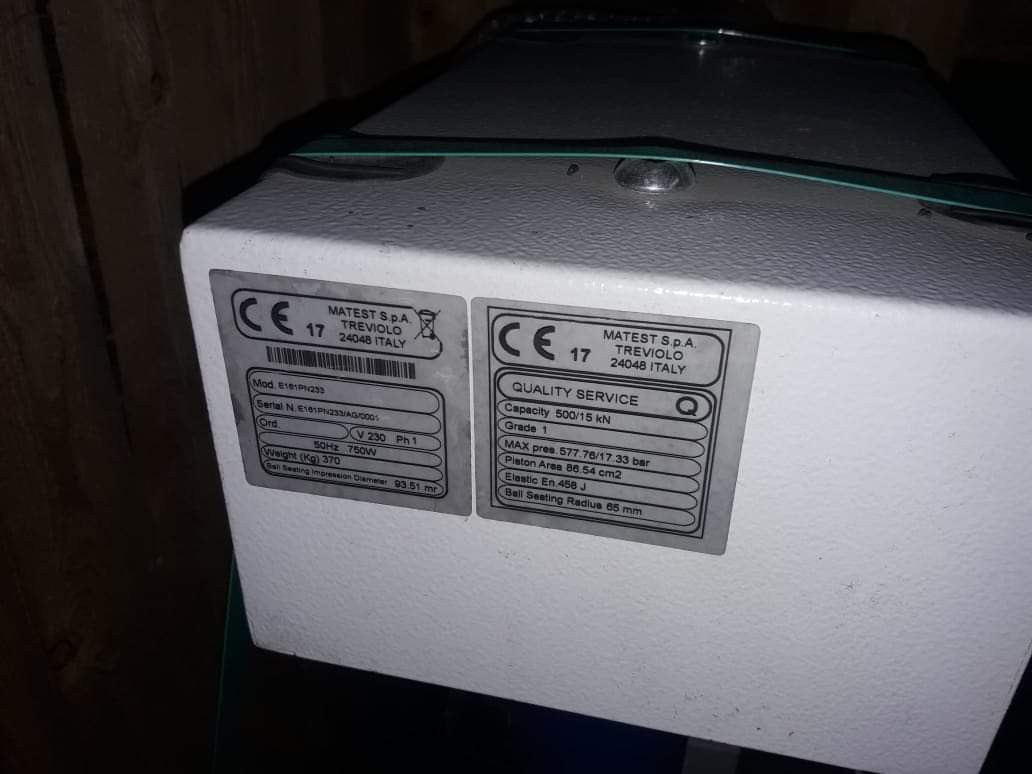
The capacity, measured in KiloNewtons (kN) or pounds-force (lbf), is the single
most significant factor affecting price. A machine with a 2,000 kN capacity is
designed for standard concrete cube tests, while one with a 3,000 kN or 5,000
kN capacity is built for high-strength concrete or larger specimens. Higher
capacity requires a more massive, rigid load frame, larger pistons, and more
powerful hydraulics, all of which increase manufacturing costs and,
consequently, the compressive strength machine price.
2. Level
of Automation and Control System
This is a major differentiator in both functionality and cost.
·
Manual Machines: These are the most basic and least expensive. The operator
manually controls the load application via a valve and observes the gauge to
record the peak load. They require more skill and are prone to human error.
·
Semi-Automatic Machines: This type represents a significant upgrade. They
feature a digital display for easy reading of the load and often include an
automatic shut-off or load-hold feature. The loading rate might still be
manually controlled, but data recording is simplified.
·
Fully Automatic Machines: These are at the premium end of the spectrum. They
are equipped with a servo-controlled system for precise, consistent load
application and a built-in computer or data acquisition system. They can
automatically calculate strength, generate test reports, and store data for
traceability. The sophisticated electronics and software in these models
contribute to a higher price.
3.
Precision and Compliance with Standards
A machine's accuracy is paramount. Equipment that is certified to meet specific
international standards (such as IS 516, ASTM C39, BS 1881) undergoes rigorous
manufacturing and calibration processes. High-precision load cells, pressure
transducers, and strain gauges are more expensive than their standard
counterparts. Investing in a calibrated, standards-compliant machine ensures
your test results are legally and technically defensible.
4. Build
Quality, Durability, and Safety Features
The longevity of the machine is a critical part of its total cost of ownership.
A machine built with high-grade steel, precision-machined platens, and robust
hydraulic components will withstand years of heavy use with minimal downtime.
Cheaper machines may use inferior materials, leading to faster wear, frequent
recalibration needs, and potential breakdowns. Additionally, integrated safety
features like overload protection, safety guards, and emergency stop buttons
are essential and add to the build cost but are non-negotiable for a safe
working environment.
5. Brand
Reputation and After-Sales Support
While a lesser-known brand might offer a lower initial price, established
manufacturers often provide greater value through proven reliability,
comprehensive warranties, and readily available technical support. Access to
spare parts, calibration services, and repair expertise can save significant
time and money over the machine's operational lifespan.
Making the Right Investment: Cost vs. Value
When evaluating
your options, it's crucial to shift the perspective from mere price to
long-term value. A lower-priced machine that requires constant maintenance,
produces inconsistent results, or fails calibration can cost your business far
more in project delays, faulty data, and repair costs than the initial savings
were worth.
The goal is to
find a machine that offers the right balance of capacity, accuracy, and
durability for your specific testing needs. It is an investment in the quality
and safety of your projects.
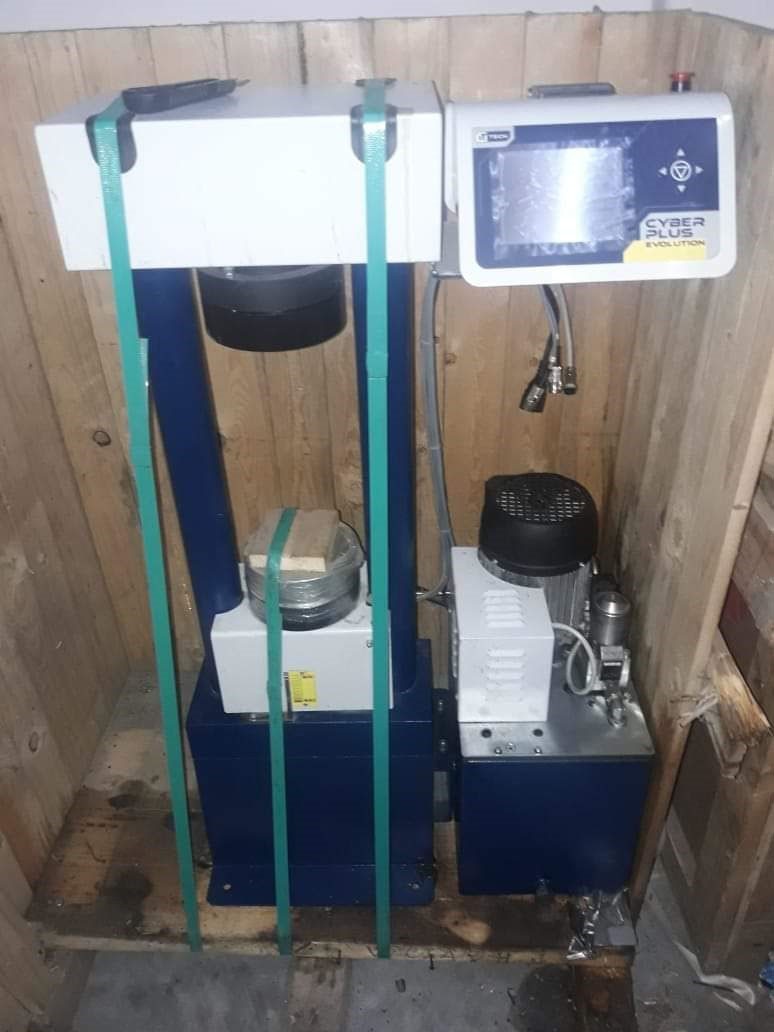
Conclusion: Prioritizing Performance and Reliability
The journey to
purchasing a compression testing machine is a strategic one. By thoroughly
understanding the factors that influence the compressive strength machine
price—from capacity and automation to build quality and compliance—you are
equipped to make an informed decision. Look beyond the initial sticker price
and consider the total cost of ownership, the credibility of your test data,
and the support behind the equipment. A reliable machine is not an expense; it
is a foundational pillar for quality assurance in construction.
If you are
seeking a robust and dependable solution that is engineered for accuracy and
built to last, we invite you to explore a high-performance option.
Find a Durable and Accurate Compression Testing Machine for Your Laboratory Here


Ekracargo.com - Your trusted partner in industrial efficiency, providing a wide range of premium quality spare parts at competitive prices.
Contact Info
- Address: House 54 | Road 14 | Sector 14 | Uttara | Dhaka 1230 | Bangladesh
- Phone: Contact: +8801634736139 (WhatsApp) ,+8801789394669 (WhatsApp)
- Email: info@ekracargo.com