




CO2 Sensor Price | Best Rates | Buying Guide | Detailed Tips | Maintenance | FAQ |
CO2 Sensor Price Guide: How Much Should You Pay?
Carbon dioxide (CO2) sensors are
becoming more popular in homes, offices, schools, and labs. They help monitor
indoor air quality and reduce health risks from poor ventilation.
But how much should a CO2 sensor cost? In this guide, we’ll break down current prices, recommend top products, and help you find the best sensor for your needs.
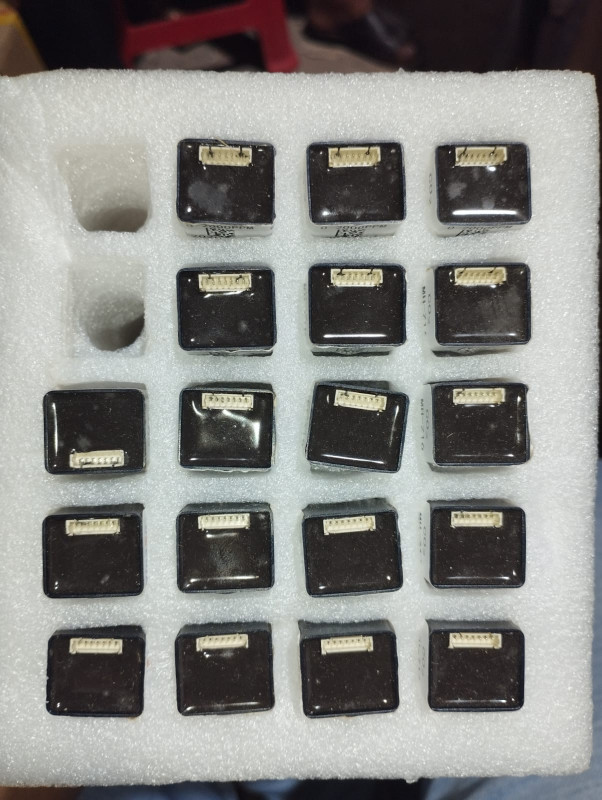
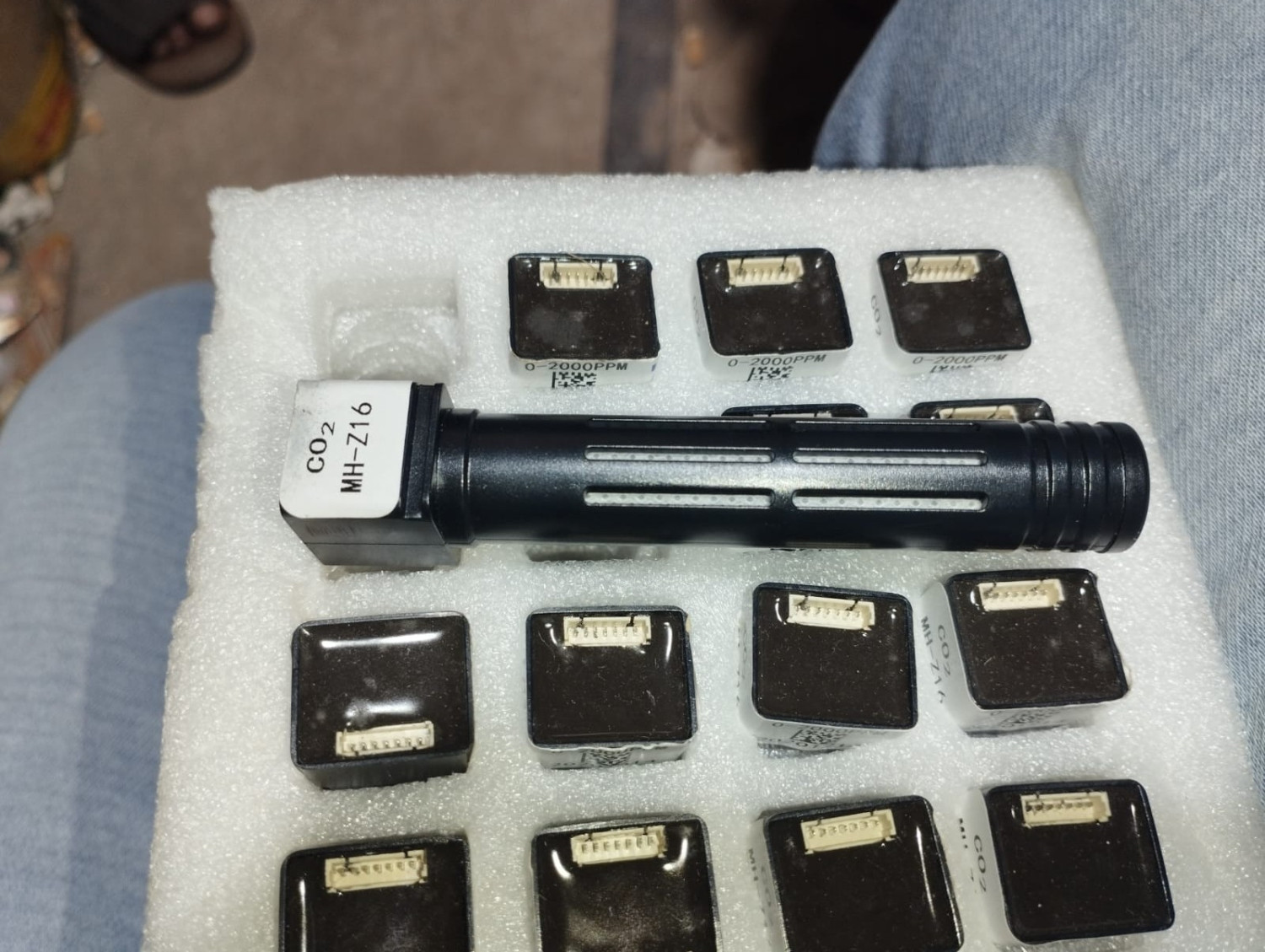
Check the product at Ekra Cargo
How Much Does a CO2 Sensor Cost?
CO2 sensor prices vary depending on
accuracy, features, and brand. Here's a general breakdown:
|
Type |
Price
Range |
Best
For |
|
Basic Home Sensors |
$30 – $80 |
Home use, personal use |
|
Smart CO2 Monitors (Wi-Fi) |
$80 – $150 |
Smart homes, offices |
|
Industrial-Grade Sensors |
$150 – $500+ |
Labs, HVAC systems, greenhouses |
Factors affecting price:
- Sensor type
(NDIR vs. chemical)
- Connectivity
(Bluetooth, Wi-Fi)
- Additional features
(temperature, humidity, alerts)
- Accuracy and calibration
Best CO2 Sensors (Top 3 Picks)
Here are three great CO2 sensors in
different price ranges. Each comes with a quick overview, pros, and cons.
1.
INKBIRD IAM-T1 CO2 Monitor
- Price:
~$59
- Best For:
Budget-conscious users, home use
Features:
- Real-time CO2, temperature, and humidity readings
- LCD display
- USB-C rechargeable
Pros:
- Affordable
- Portable and lightweight
- Simple to use
Cons:
- No smart connectivity
- Accuracy may vary without calibration
2.
Aranet4 Home Wireless CO2 Sensor
- Price:
~$149
- Best For:
Smart homes, professionals
Features:
- NDIR sensor for accuracy
- Bluetooth connectivity
- CO2, temp, humidity, and pressure
- App for data logging
Pros:
- Excellent accuracy
- Long battery life (up to 2 years)
- Mobile alerts via app
Cons:
- No Wi-Fi
- Slightly expensive for casual users
3.
Extech SD800 CO2 Meter
- Price:
~$299
- Best For:
Office environments, labs
Features:
- Measures CO2, temperature, humidity
- Large LCD display
- Data logging to SD card
Pros:
- High accuracy
- Data logging for analysis
- Trusted brand for professional use
Cons:
- Bulky design
- Requires manual data export
What to Consider Before Buying a CO2 Sensor
Here’s a beginner-friendly buying
guide:
✅
Accuracy
- Look for NDIR (Non-Dispersive Infrared) sensors
for the most reliable readings.
✅
Measurement Range
- Ensure the sensor covers 400–5000 ppm for typical
indoor use.
✅
Features
- Common extras include:
- Temperature and humidity
- Display screen
- App or Wi-Fi support
- Alarms for high CO2 levels
✅
Portability
- If you move around a lot, choose a compact and
battery-powered model.
✅
Data Logging
- Useful for offices, greenhouses, or research purposes.
✅
Power Supply
- USB-powered models are convenient.
- Some sensors use AA or AAA batteries.
Personal Experience Using CO2 Sensors
When I first started working from
home full-time, I didn’t think air quality mattered much. Then I started
experiencing fatigue and brain fog around midday.
After buying the Aranet4, I
realized CO2 levels in my small home office spiked over 1,500 ppm by lunchtime!
Now, I keep a window cracked or turn on a fan whenever CO2 levels go above
1,000 ppm.
The result? Better focus, fewer
headaches, and improved sleep.
A CO2 sensor helped me make a small
change with a big impact on my health.
Where to Buy CO2 Sensors
You can find CO2 sensors online and
in some hardware stores. Top places to check:
- Amazon
- Home Depot
- AliExpress
- Specialty sites like CO2Meter.com or Aranet.com
❓
Frequently Asked Questions
What
is a good CO2 level indoors?
- 400–1000 ppm
is ideal.
- Above 1000 ppm can affect concentration.
- Over 2000 ppm may cause drowsiness or health
issues.
Are
cheap CO2 sensors reliable?
Some are, but many budget sensors
lack proper calibration. For critical use, choose a model with an NDIR sensor
and good reviews.
Do
CO2 sensors need calibration?
Yes, especially for long-term
accuracy. Many models have auto-calibration or support manual
calibration.
Is
CO2 the same as carbon monoxide (CO)?
No. CO2 (carbon dioxide) is
naturally present in air and not directly toxic in normal levels. CO (carbon
monoxide) is a poisonous gas. Different sensors are needed for each.
Can
I use a CO2 sensor in a grow tent or greenhouse?
Absolutely. Look for sensors with a wide measurement range (up to 5000 ppm or more) and durable construction.
✅
Final Thoughts
CO2 sensors are a smart investment
for anyone concerned about indoor air quality. Whether you're working from
home, running a greenhouse, or managing an office, there's a model that fits your
needs and budget.
If you’re just starting out, try an affordable monitor like the INKBIRD IAM-T1. For tech-savvy users, the Aranet4 is a great mid-range option. Need professional-grade features? Go with something like the Extech SD800.


Ekracargo.com - Your trusted partner in industrial efficiency, providing a wide range of premium quality spare parts at competitive prices.
Contact Info
- Address: House 54 | Road 14 | Sector 14 | Uttara | Dhaka 1230 | Bangladesh
- Phone: Contact: +8801634736139 (WhatsApp) ,+8801789394669 (WhatsApp)
- Email: info@ekracargo.com