




Navigating the Cisco CCTV Camera Price: A Guide to Value and Performance
When
building or upgrading a professional security system, few names command as much
respect as Cisco. Renowned for their unparalleled expertise in network
infrastructure, Cisco brings the same reliability, security, and advanced
technology to their video surveillance solutions. For business owners, facility
managers, and IT professionals, the initial question is often a practical one:
what drives the Cisco CCTV camera price? However, understanding
this cost is about more than just examining a number on a invoice; it's about
evaluating a critical investment in the safety of your personnel, the
protection of your physical assets, and the integrity of your entire operation.
This in-depth guide will walk you through the key factors that influence the cost of a Cisco surveillance system, detail the immense value you receive beyond the hardware, and highlight a specific model to provide a clear, real-world context for your purchasing decision.
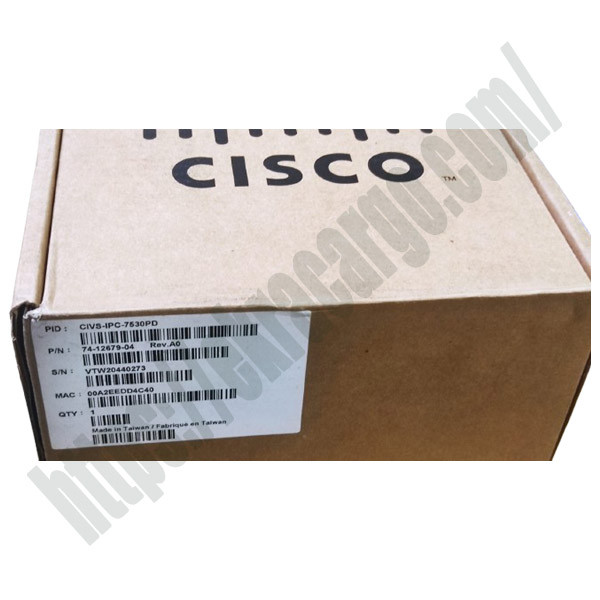
Explore the Cisco product at Ekra Cargo
Why Cisco? The Value
Proposition Beyond the Camera
To truly appreciate the Cisco CCTV
camera price, one must first look past the initial expenditure
and see the system for what it is: not a mere collection of cameras, but a
deeply integrated security ecosystem designed for performance and longevity.
1.
Enterprise-Grade
Reliability and Build Quality: Cisco designs
its hardware for continuous, 24/7 operation in the most demanding environments.
From the scorching heat of a factory floor to the freezing temperatures of a
warehouse dock, these cameras are built to perform consistently. This rigorous
engineering translates directly into less system downtime, fewer maintenance
headaches, and significant long-term savings by avoiding frequent replacements
that plague cheaper, consumer-grade alternatives.
2.
Superior Image
Quality and Advanced Analytics: At the heart
of any effective surveillance system is the quality of the footage. Cisco
cameras feature high-resolution sensors and sophisticated image processing that
capture exceptionally clear and detailed video. This clarity is not just for
live viewing; it is absolutely crucial for post-event forensic analysis, where
identifying a face or a license plate can make all the difference. Furthermore,
many Cisco models support intelligent video analytics, enabling powerful
features like motion detection in specific zones, people counting for business
intelligence, and loitering detection for proactive security.
3.
Seamless and Secure
Network Integration: As a global
leader in networking, Cisco ensures their cameras are not isolated devices but
cohesive components of your larger IT infrastructure. They are designed to work
flawlessly with your existing network, prioritizing bandwidth management and,
most importantly, robust security protocols. This prevents the cameras from
becoming vulnerable entry points for cyber-attacks, a critical consideration
often overlooked in cheaper systems.
4.
Scalability for
Sustainable Growth: A business is
a dynamic entity, and its security system must be able to adapt. A Cisco video
surveillance architecture is inherently scalable. Whether you are adding ten
new cameras to cover an expansion or integrating access control systems, the
platform is designed to grow with you. This protects your initial investment
and prevents the need for a costly, complete system overhaul down the line.
Key Factors That
Directly Influence the Cisco CCTV Cameras Price
The price tag on a Cisco CCTV camera is the sum of
its parts and capabilities. Understanding these factors will demystify the cost
and allow you to align your budget with your specific security requirements.
·
Camera Resolution
and Sensor Quality: The
fundamental driver of cost is image resolution. A 4K (8-megapixel) camera,
capable of capturing immense detail across a wide area, will be priced higher
than a standard 1080p (2-megapixel) model. The investment in higher resolution
is an investment in forensic detail, often paying for itself by providing
irrefutable evidence.
·
Form Factor and
Design Application: The physical
design of the camera dictates its application and cost. Do you need discreet
dome cameras for indoor retail spaces? Ruggedized bullet cameras with
long-range capabilities for a parking lot? Or sophisticated PTZ (Pan-Tilt-Zoom)
models that can be controlled remotely to track activity? Each form factor
involves different manufacturing processes and components, influencing the
final price.
·
Environmental
Durability and Ratings: Cameras
destined for outdoor use or harsh industrial environments require robust
housing and protection. Look for Ingress Protection (IP) ratings like IP66 or
IP67, which certify resistance to dust and powerful water jets, and operational
temperature ranges that ensure functionality in extreme heat or cold. This
added durability is a significant component of the cost for outdoor models.
·
Advanced Feature
Set: The inclusion of advanced features directly
impacts price. Key capabilities to consider include:
o Power over Ethernet (PoE): Allows for a single cable to provide both data and power,
drastically simplifying installation and reducing costs.
o Infrared (IR) Night Vision: The quality and range of the built-in IR LEDs for clear
footage in total darkness.
o Wide Dynamic Range (WDR): Essential
for handling challenging lighting conditions, such as a person standing in
front of a bright window.
o Built-in Audio Support: The
ability to transmit sound or even issue warnings through the camera.
A Closer Look: The
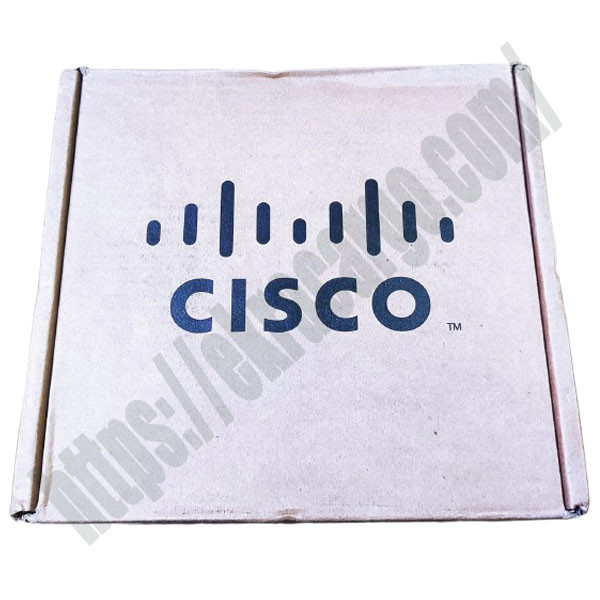
Cisco 7530PD IP Camera
To ground these factors in a real-world example,
let's examine a specific and highly capable model: the Cisco Video Surveillance
7530PD IP Camera. This model exemplifies the balance of performance,
durability, and value that defines the Cisco brand.
The 7530PD is a professional-grade dome camera known
for its reliability. It delivers high-definition video quality, ensuring that
all captured footage is sharp and actionable. A standout feature is its support
for Power over Ethernet (PoE). This technology is a major cost-saver during
installation, as it eliminates the need to run separate electrical conduits to
each camera mount, reducing both material and labor expenses.
Furthermore, its rugged design is typically built to
meet stringent outdoor durability standards. This makes it a versatile solution
for monitoring building entrances, parking facilities, and perimeter fences.
It's engineered to withstand not just dust and rain, but also the daily wear
and tear of a commercial environment. When you evaluate the Cisco CCTV
cameras price for a workhorse model like the 7530PD, you
are investing in this powerful combination of image clarity, installation
efficiency, and long-term resilience.
To explore the detailed technical specifications,
available support, and current competitive pricing for this specific model, you
can find more information here: Learn more about the Cisco Video Surveillance 7530PD IP Camera.
The Bigger Picture:
Understanding Total Cost of Ownership (TCO)
A critical mistake in budgeting for a security
system is focusing exclusively on the upfront hardware cost. A more accurate
and professional approach is to consider the Total Cost of Ownership (TCO),
which includes:
·
Initial Hardware Cost: The cameras, network video recorders (NVRs), network
switches, and cabling.
·
Installation and
Configuration: Professional installation ensures optimal
camera placement, network configuration, and system performance.
·
Storage Solutions: The cost of hard drives for your NVR and any potential
cloud storage subscriptions for data redundancy.
·
Maintenance and
Support: While renowned for reliability, having a
support plan for firmware updates, troubleshooting, and potential hardware
replacement is crucial for long-term operational integrity.
A Cisco system, with its enterprise-grade build and
reliability, often results in a significantly lower TCO over a 5 to 7-year
period compared to lower-quality alternatives that may suffer from higher
failure rates and require premature replacement.
Making an Informed
Investment
The journey to securing your business premises
begins with due diligence. The most accurate and tailored Cisco CCTV
camera price will always come from an authorized
distributor or security solutions provider. These experts can provide:
1.
Detailed Site
Assessments: They can evaluate your specific premises to
recommend the ideal camera types and placements.
2.
Volume-Based
Pricing: For larger installations, they can offer
substantial quantity discounts.
3.
Complete System
Quotes: Providing a holistic price for a fully
integrated system, including cameras, recording hardware, and software.
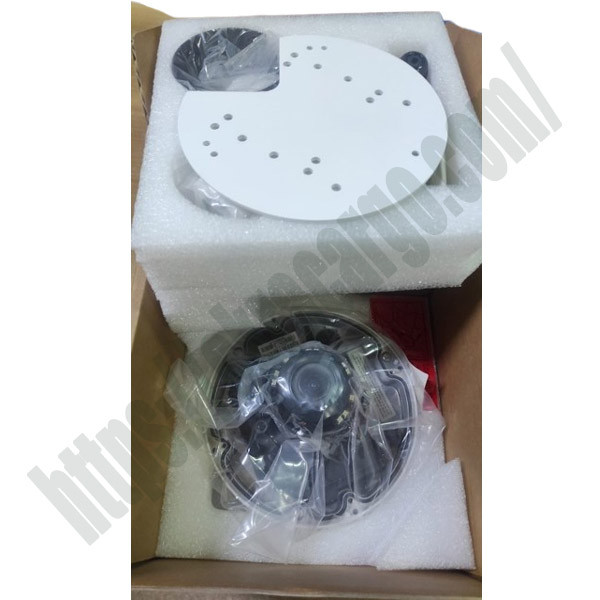
Check the product at Ekra Cargo
Conclusion: Investing in Certainty
In the realm of business security, the true cost is not measured by the price of the equipment alone, but by the potential cost of a security failure. While the initial Cisco CCTV cameras price may represent a premium investment, it secures a solution engineered to perform consistently, protect proactively, and endure for years to come. By focusing on the long-term value, unparalleled reliability, and lower total cost of ownership, a Cisco video surveillance system emerges not as an expense, but as a wise and foundational investment in the ongoing security and success of your business.


Ekracargo.com - Your trusted partner in industrial efficiency, providing a wide range of premium quality spare parts at competitive prices.
Contact Info
- Address: House 54 | Road 14 | Sector 14 | Uttara | Dhaka 1230 | Bangladesh
- Phone: Contact: +8801634736139 (WhatsApp) ,+8801789394669 (WhatsApp)
- Email: info@ekracargo.com