




Blood Analyzer Machines: A Complete Guide for Beginners and Professionals | Best Rates | Buying Guide | Detailed Tips | Maintenance | FAQ |
Blood Analyzer Machines: A Complete Guide for Beginners and Professionals
Ever wondered what happens to your blood sample after it’s drawn?
That vial journeys to a clinical lab, where a sophisticated piece of technology
called a blood analyzer machine works
its magic. These machines are the unsung heroes of modern medicine, providing
critical data that doctors use to diagnose conditions, monitor health, and save
lives.
Whether you're a medical professional looking to equip your clinic, a student learning about diagnostics, or just a curious individual, understanding these devices is fascinating. This guide will break down everything you need to know about blood analyzer machines in simple, easy-to-read language.
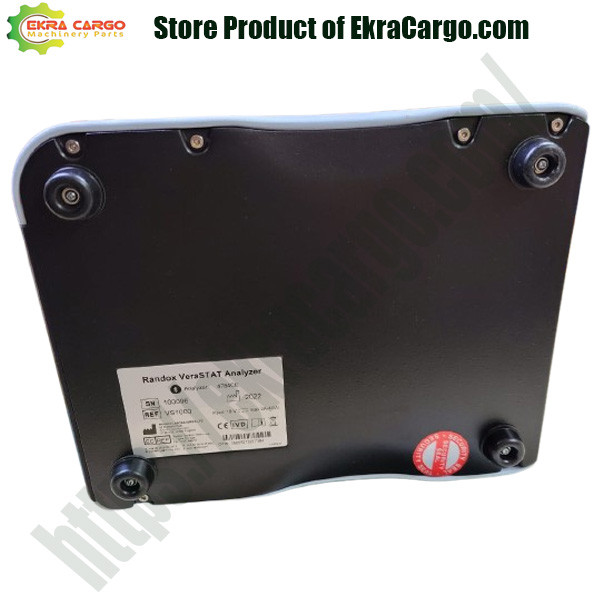
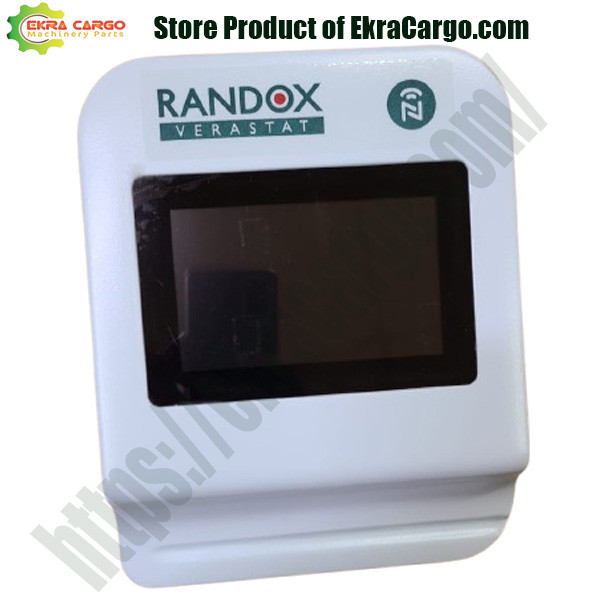
Check the product at Ekra Cargo
What is a Blood Analyzer Machine?
A
blood analyzer machine is an automated instrument that performs tests on a
blood sample. Its primary job is to measure and analyze the various components
of your blood, providing a detailed report of its cellular and chemical makeup.
Think
of it as a high-speed, incredibly accurate detective that counts billions of
cells and detects tiny traces of chemicals in a matter of minutes.
How Does a Blood Analyzer Work? The Magic Behind the Scenes
While
it seems complex, the basic principle is straightforward. Most modern analyzers
use a combination of technologies:
·
Electrical Impedance (Coulter
Principle): This method counts cells by passing them through a tiny
aperture. Each cell disrupts an electrical current in a way that is unique to
its size, allowing the machine to count and differentiate between cells like
red blood cells (RBCs), white blood cells (WBCs), and platelets.
·
Flow Cytometry: This
is a more advanced technique. Cells are stained with fluorescent dyes and
passed single-file in front of a laser. The way the light scatters and the
fluorescence is measured tells the machine detailed information about the
cell's internal structure and type.
·
Photometric Analysis: This
is used for chemistry tests. The machine adds specific reagents to the blood
plasma. These reagents cause a chemical reaction that changes the color of the
sample. The intensity of the color change is measured by a light sensor
(photometer) and directly correlates to the concentration of a substance (like
glucose or cholesterol).
In
short: The machine mixes, measures, and analyzes, turning a liquid blood sample
into a comprehensive digital report.
Different Types of Blood Analyzer Machines
Not
all analyzers are the same. They are specialized for different tasks:
1.
Hematology Analyzers: These
focus on the cellular components of blood. They perform a
Complete Blood Count (CBC), which includes:
o Red
Blood Cell (RBC) count
o White
Blood Cell (WBC) count and differentiation
o Platelet
count
o Hemoglobin
and Hematocrit levels
2.
Clinical Chemistry Analyzers: These
analyze the chemical components in the blood plasma. They
test for:
o Blood
Glucose and HbA1c (for diabetes)
o Electrolytes
(sodium, potassium)
o Liver
enzymes (ALT, AST) and Kidney markers (Creatinine)
o Cholesterol
and lipids
o Hormones
and proteins
3.
Immunoassay Analyzers: These
are used to detect specific proteins, antibodies, or antigens. They are crucial
for:
o Infectious
disease testing (HIV, Hepatitis, COVID-19 antibodies)
o Cancer
markers
o Thyroid
function tests
o Vitamin
D levels
4.
Point-of-Care (POC) Analyzers: These
are smaller, portable devices designed for rapid testing outside the
main lab—right at the patient's bedside, in a doctor's office, or even at home.
They provide results in minutes rather than hours.
Key Benefits of Using Automated Blood Analyzers
·
Speed and Efficiency: Processes
dozens of samples per hour with minimal human intervention.
·
Accuracy and Precision: Minimizes
human error, providing highly reliable and reproducible results.
·
Comprehensive Data: Provides
a wide range of test results from a single, small sample.
·
Early Disease Detection: Allows
doctors to identify potential health issues long before symptoms become severe.

A Practical Buying Guide: What to Consider
Choosing
the right machine depends entirely on your needs. Here’s what to think about:
·
Intended Use: Are
you doing basic CBCs or complex hormone panels? Define your test menu needs
first.
·
Throughput: How
many samples do you process per day? A high-volume hospital needs a large
floor-model analyzer, while a small clinic might only need a benchtop or POC
device.
·
Ease of Use: Is
the interface user-friendly? How much training is required? Look for machines
with intuitive software.
·
Cost: This
includes the upfront purchase price and the long-term cost of consumables (reagents,
calibrators, cuvettes). A cheaper machine can be more expensive in the long run
if its reagents are costly.
·
Maintenance and Support: What
is the machine's downtime? Does the supplier offer reliable technical support
and service contracts?
·
Space Requirements: Do
you have the bench space and proper environment (e.g., temperature control) for
the machine?
·
Connectivity: Can
the machine easily integrate with your Laboratory Information System (LIS) or
electronic health records (EHR) for seamless data transfer?
Product Recommendations (For Informational Purposes)
Important: Always
consult with a laboratory equipment specialist before purchasing.
Specifications and prices change frequently.
1. For Large Labs & Hospitals: Sysmex XN-Series
·
Type: Automated
Hematology Analyzer
·
Best for: High-volume
laboratories requiring extensive CBC testing with advanced cellular
information.
·
Pros:
o Extremely
high throughput and automation.
o Excellent
accuracy and advanced clinical flags.
o Can
be integrated into automated sample processing lines.
·
Cons:
o Very
high upfront cost.
o Requires
significant floor space and dedicated operators.
o Expensive
service contracts.
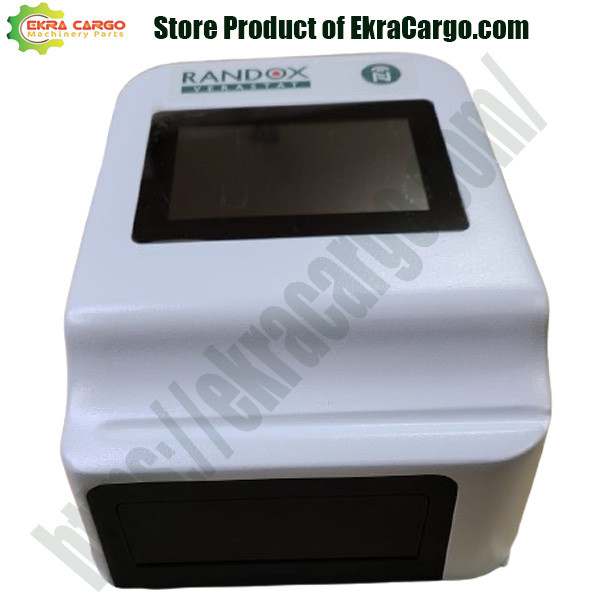
2. For Small Clinics & Doctor's Offices: Mindray BC-500 Series
·
Type: Compact
Hematology Analyzer
·
Best for: Small
to medium-sized practices needing reliable CBC results.
·
Pros:
o More
affordable than large analyzers.
o Compact
benchtop design.
o Good
reputation for reliability and ease of use.
·
Cons:
o Lower
throughput than larger models.
o Test
menu is limited compared to high-end models.
3. For Point-of-Care: Abbott i-STAT System
·
Type: Handheld
Blood Chemistry Analyzer
·
Best for: Emergency
rooms, ambulances, and critical care settings where speed is vital.
·
Pros:
o Extremely
portable and easy to use.
o Provides
lab-quality results in minutes from a few drops of blood.
o Tests
for a wide range of chemistries and blood gases.
·
Cons:
o High
cost per test cartridge.
o Not
designed for high-volume testing.
A Note on "At-Home" Blood Analyzers
The
market is evolving! Several companies now offer compact devices for home use,
primarily for monitoring metrics like blood glucose (glucometers), INR (for
those on blood thinners like warfarin), and even handheld CBC devices (e.g.,
from companies like Sighthound). These are fantastic for managing chronic
conditions but are not replacements for comprehensive lab testing. Always
discuss home results with your doctor.
Frequently Asked Questions (FAQs)
Q:
How long does it take to get results from a blood analyzer?
A: In a central lab, most
common tests are processed and reported within a few hours. Point-of-care
analyzers can provide results in 2 to 10 minutes.
Q:
Are the results from these machines accurate?
A: Modern clinical analyzers
are extremely accurate. They undergo daily calibration and quality control
procedures using known standards to ensure results are reliable and precise.
Q:
Can one machine do all types of blood tests?
A: No. While some
"integrated" systems combine modules for different types of tests,
most machines are specialized. A lab typically has separate hematology,
chemistry, and immunoassay analyzers.
Q:
What's the difference between a CBC and a metabolic panel?
A: A CBC (Complete Blood Count)
looks at your blood cells. A metabolic panel (like a Basic or
Comprehensive Metabolic Panel) looks at the chemicals in your
blood plasma, such as electrolytes, glucose, and kidney function markers.
Q:
How much does a blood analyzer machine cost?
A: Prices vary wildly. Small
POC devices can be a few thousand dollars. Benchtop analyzers for clinics range
from $10,000 to $50,000. Large automated systems for hospitals can cost well
over $100,000.

Check product at Ekra Cargo
Final Thoughts
Blood
analyzer machines are fundamental pillars of modern healthcare. They empower
medical professionals with the data needed to make informed decisions, leading
to better patient outcomes. From massive hospital analyzers to handheld
devices, this technology continues to become faster, more accurate, and more
accessible.
Understanding how they work demystifies the diagnostic process and highlights the incredible innovation that happens behind the scenes after a simple blood draw.


Ekracargo.com - Your trusted partner in industrial efficiency, providing a wide range of premium quality spare parts at competitive prices.
Contact Info
- Address: House 54 | Road 14 | Sector 14 | Uttara | Dhaka 1230 | Bangladesh
- Phone: Contact: +8801634736139 (WhatsApp) ,+8801789394669 (WhatsApp)
- Email: info@ekracargo.com