




Automation, machinery, tools, equipment, spare parts, engine, supplier management
Unlocking Efficiency: A Dive into Automation Engines
In the fast-paced world of industry, efficiency is paramount. To stay competitive, businesses are turning to automation engines to streamline processes, increase productivity, and drive innovation. In this blog, we'll explore the key components and technologies powering automation engines, including Robotic Process Automation (RPA), Supervisory Control and Data Acquisition (SCADA), Programmable Logic Controllers (PLCs), Automated Guided Vehicles (AGVs), Distributed Control Systems (DCS), and more.
Robotic Process Automation (RPA): RPA is revolutionizing repetitive, rule-based tasks by employing software robots to mimic human actions. These robots can perform tasks such as data entry, invoice processing, and report generation with speed and accuracy, freeing up human workers to focus on more strategic activities.
Supervisory Control and Data Acquisition (SCADA): SCADA systems provide real-time monitoring and control of industrial processes, enabling operators to visualize, analyze, and optimize operations from a centralized location. With SCADA, industries ranging from manufacturing to energy can enhance efficiency, ensure safety, and minimize downtime.
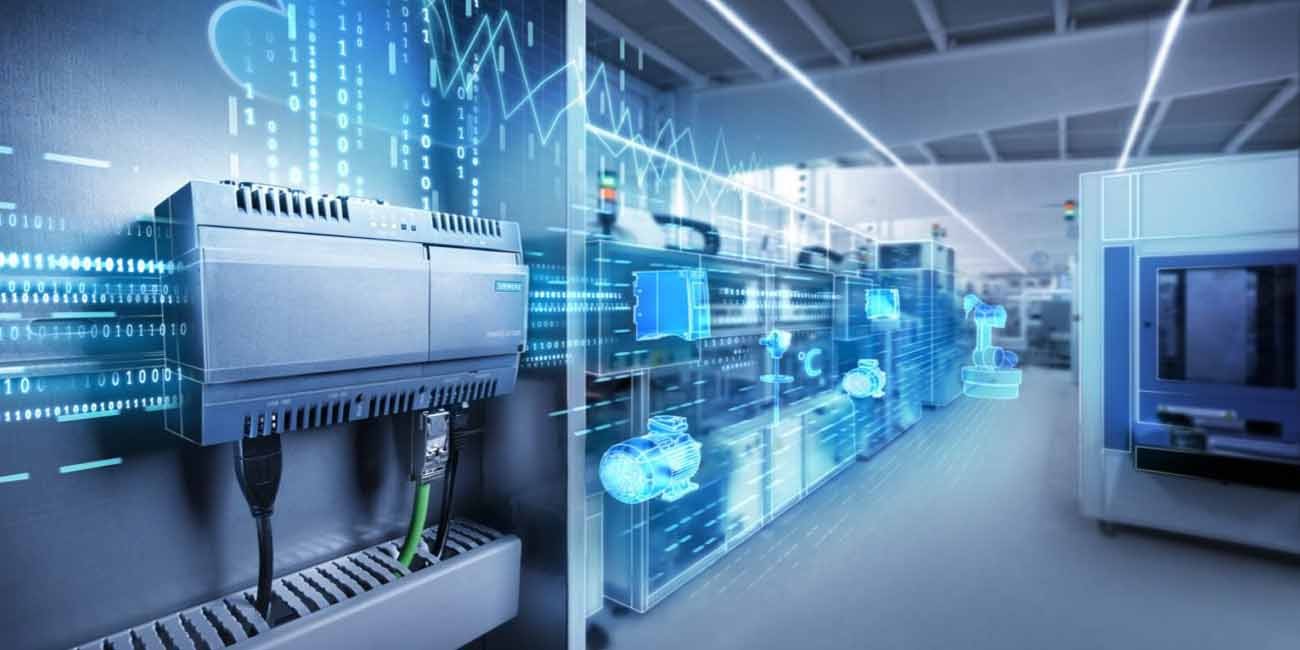
Programmable Logic Controllers (PLCs): PLCs are the backbone of industrial automation, serving as the control center for machinery and processes. These rugged, reliable devices execute logic-based commands, regulate equipment operation, and communicate with sensors and actuators to ensure seamless operation of production lines and facilities.
Automated Guided Vehicles (AGVs): AGVs are autonomous vehicles that navigate industrial environments to transport materials, components, and finished goods. By eliminating the need for manual material handling, AGVs enhance safety, reduce labor costs, and optimize logistics workflows in warehouses, distribution centers, and manufacturing facilities.
Distributed Control Systems (DCS): DCS systems orchestrate complex industrial processes by distributing control functions across multiple nodes or controllers. This decentralized approach ensures redundancy, fault tolerance, and scalability, making DCS ideal for applications such as chemical processing, power generation, and oil and gas production.
Automation Systems and Engineering: Automation systems integrate various technologies, including RPA, SCADA, PLCs, AGVs, and DCS, to create seamless, interconnected workflows. Automation engineering encompasses the design, implementation, and optimization of these systems, leveraging expertise in software development, electrical engineering, and mechanical engineering to deliver tailored solutions that meet the unique needs of each industry and application.
In conclusion, automation engines powered by RPA, SCADA, PLCs, AGVs, DCS, and other technologies are driving a paradigm shift in industrial efficiency and productivity. By harnessing the power of automation, businesses can unlock new levels of performance, agility, and competitiveness in today's rapidly evolving marketplace. Whether it's streamlining operations, optimizing processes, or enhancing safety, automation engines are poised to transform industries and propel them towards a brighter, more efficient future.


Ekracargo.com - Your trusted partner in industrial efficiency, providing a wide range of premium quality spare parts at competitive prices.
Contact Info
- Address: House 54 | Road 14 | Sector 14 | Uttara | Dhaka 1230 | Bangladesh
- Phone: Contact: +8801634736139 (WhatsApp) ,+8801789394669 (WhatsApp)
- Email: info@ekracargo.com