




Automation Controllers: Driving Efficiency and Precision
What are Automation Controllers?
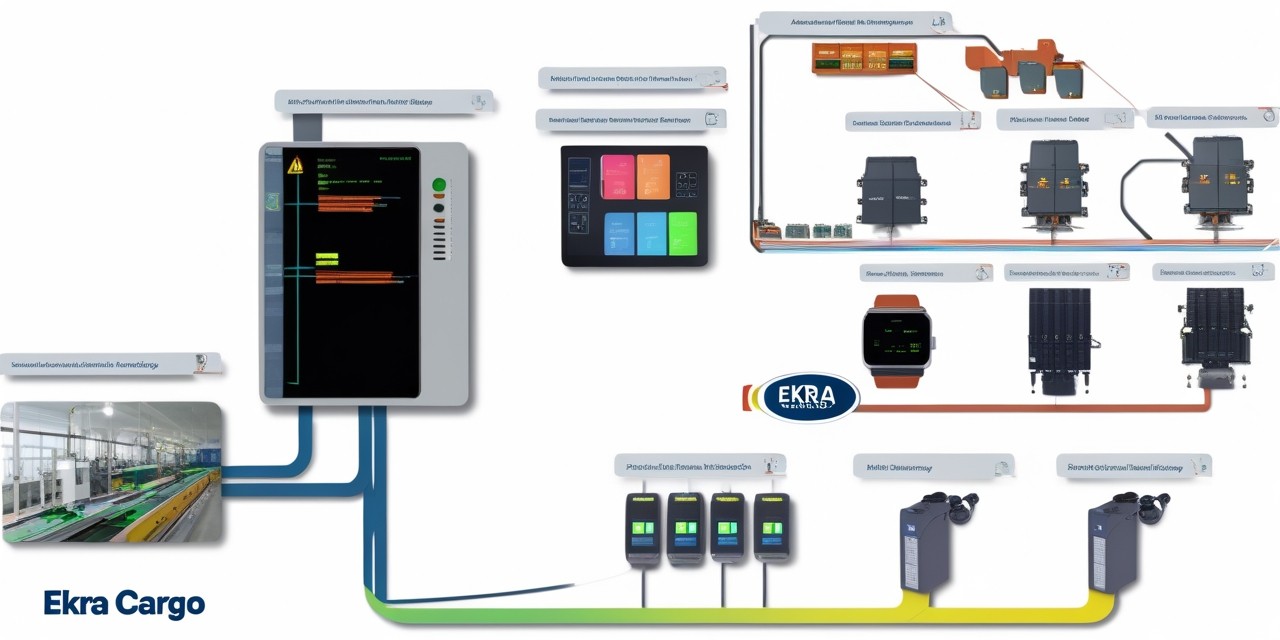
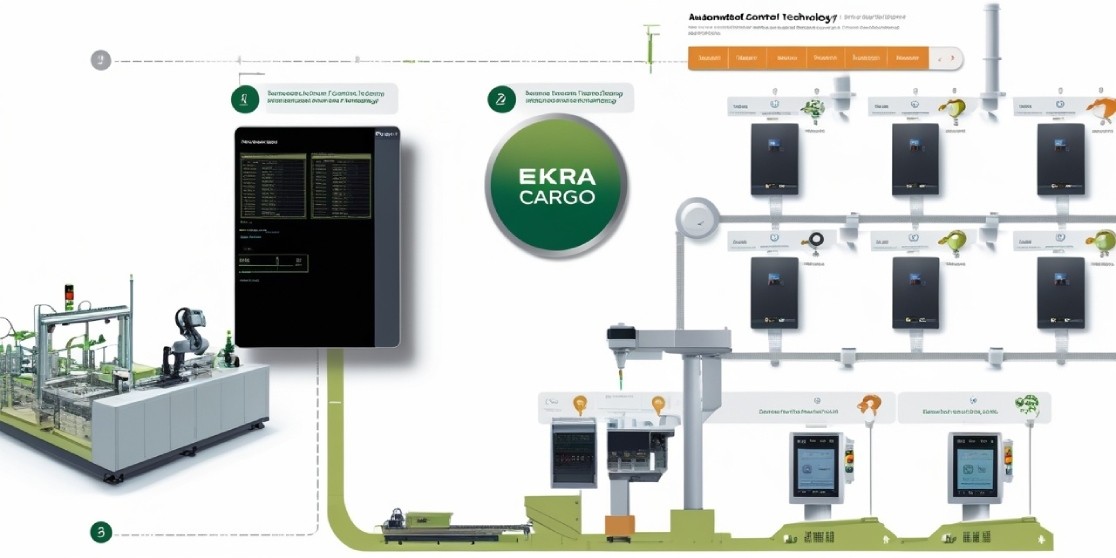
Automation Controllers are advanced devices or systems used
to monitor, control, and regulate industrial processes. These controllers
operate by collecting real-time data, processing it, and delivering the
necessary outputs to ensure smooth operations. Whether in a manufacturing
plant, warehouse, or energy facility, Automation Controllers provide precise
and consistent control over operations, reducing downtime and increasing
productivity.
Benefits of Automation Controllers
1. Enhanced Efficiency
Automation Controllers optimize operations by automating
repetitive tasks and reducing manual intervention. This leads to streamlined
workflows and faster task execution.
2. Improved Precision
Automation ensures accuracy in various tasks, minimizing
errors and maintaining the highest standards of quality and safety.
3. Flexibility and Scalability
With the ability to adapt to different processes, Automation
Controllers provide scalability, allowing businesses to adjust operations based
on changing requirements.
4. Real-Time Monitoring
These controllers enable continuous monitoring, allowing
operators to detect and address issues promptly, enhancing overall process
reliability.
5. Reduced Costs
By automating various functions, businesses can reduce labor
costs and minimize wastage, resulting in cost-effective operations.
Applications of Automation Controllers
1. Manufacturing
Automation Controllers manage assembly lines, ensuring
smooth and precise production, with reduced errors and waste.
2. Energy Management
These controllers optimize energy consumption by regulating
power usage across industrial processes, helping businesses achieve sustainable
operations.
3. Logistics and Supply Chain
Automation Controllers streamline logistics operations by
monitoring inventory levels, optimizing routing, and ensuring efficient
distribution.
4. Food and Beverage
In food processing, Automation Controllers maintain hygiene
standards and consistency in production, ensuring high-quality outputs.
Advancements in Automation Controllers
Automation Controllers continue to evolve with advancements
in technology, making them smarter and more adaptive to dynamic industrial
environments. Some of the latest developments include:
1. Integration with IoT
Automation Controllers integrated with IoT systems provide
real-time data analysis and remote monitoring capabilities, enhancing
operational efficiency.
2. Artificial Intelligence
AI-powered Automation Controllers enable predictive
maintenance and intelligent decision-making, allowing for proactive process
management.
3. 5G Connectivity
Faster and more reliable communication ensures seamless
control and automation across multiple devices in real-time.
4. Cloud-Based Automation
Cloud-enabled controllers offer flexibility, scalability,
and secure access to data from anywhere, optimizing operations for remote
teams.
Why Choose Automation Controllers?
Automation Controllers are at the heart of industrial
automation, offering businesses a competitive edge through increased
efficiency, accuracy, and cost savings. Whether managing complex processes or
improving operational flexibility, these controllers drive innovation and
ensure sustainable growth in industries.
For more information on Automation Controllers and related automation spare parts, visit Ekra Cargo’s Controller Collection.
Conclusion
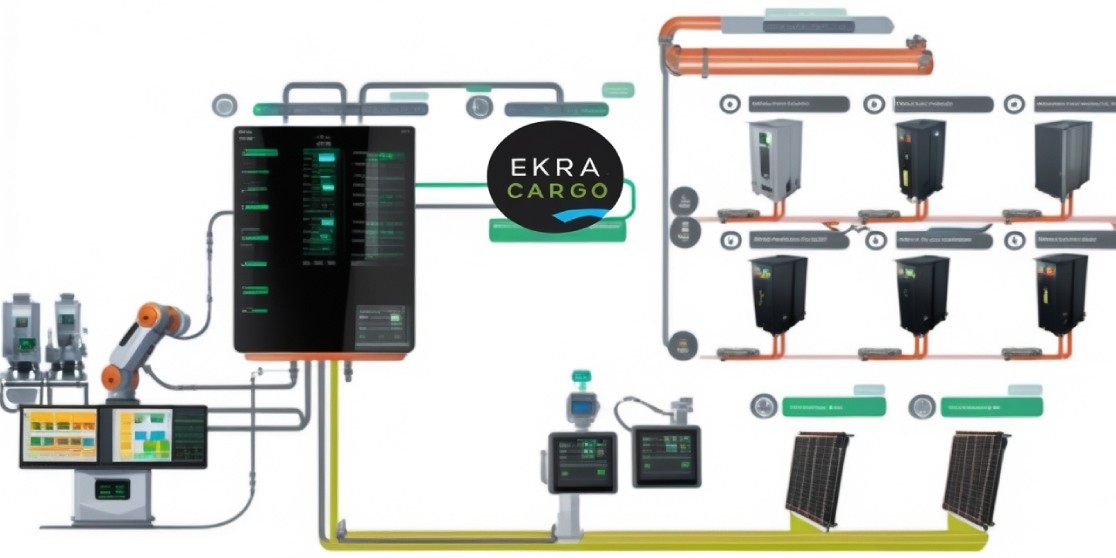
Automation Controllers are transforming industries by
enabling smarter, more efficient, and adaptable operations. From manufacturing
to logistics, these systems provide the tools needed to optimize processes,
reduce costs, and ensure long-term success. Embracing the power of automation
controllers is essential for businesses seeking to stay ahead in a competitive
and ever-evolving market.


Ekracargo.com - Your trusted partner in industrial efficiency, providing a wide range of premium quality spare parts at competitive prices.
Contact Info
- Address: House 54 | Road 14 | Sector 14 | Uttara | Dhaka 1230 | Bangladesh
- Phone: Contact: +8801634736139 (WhatsApp) ,+8801789394669 (WhatsApp)
- Email: info@ekracargo.com