




Automated Control Technology
What is Automated Control Technology?
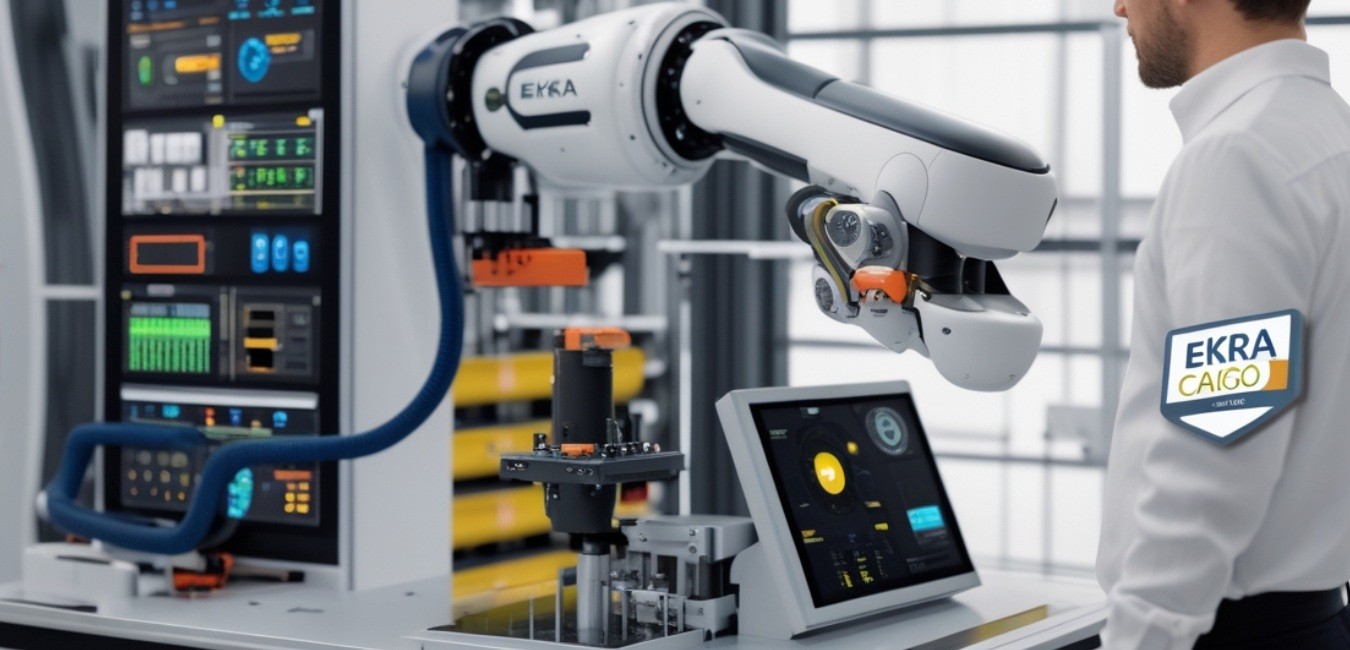
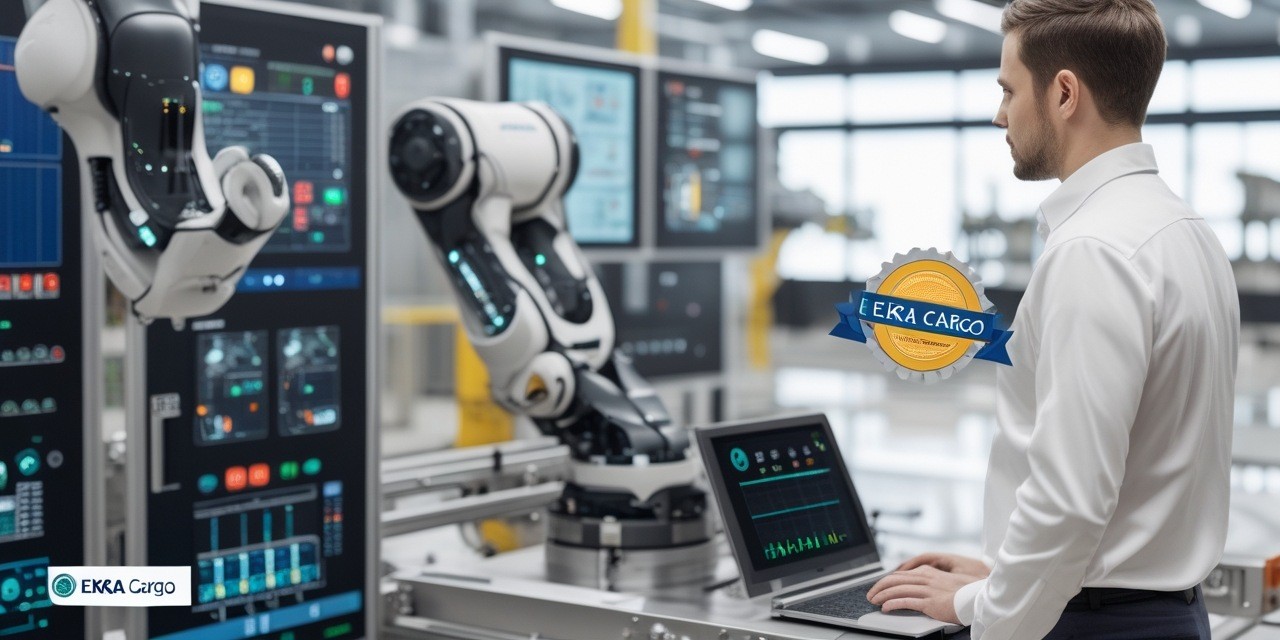
Automated Control Technology refers to advanced systems and
technologies that are designed to automate industrial processes. From
manufacturing to energy management, this technology enables continuous
monitoring, control, and adjustment of various operations, ensuring maximum
efficiency and reliability. It is a cornerstone of modern industrial
automation, enabling businesses to stay competitive in today’s fast-paced
market.
Benefits of Automated Control Technology
1. Enhanced Precision
Automated Control Technology provides a high degree of
accuracy in performing tasks. This precision minimizes errors and ensures that
processes are executed consistently and reliably.
2. Increased Efficiency
Automation streamlines repetitive tasks, significantly
reducing the time taken to complete complex operations. This leads to faster
production cycles and higher output.
3. Reduced Costs
By automating various processes, industries can lower labor
costs and optimize resource usage. Over time, this results in substantial
savings.
4. Scalability and Flexibility
Automated Control Technology can be tailored to suit the
needs of different industries, allowing businesses to scale operations smoothly
without sacrificing performance.
5. Improved Safety
Automation minimizes the need for manual intervention in
hazardous tasks, thereby ensuring a safer working environment for employees.
Applications of Automated Control Technology
1. Manufacturing
In manufacturing, Automated Control Technology plays a vital
role in enhancing production efficiency. It supports quality control, precision
assembly, and process optimization, ensuring consistent product quality.
2. Energy Management
Automated systems monitor and manage energy use, enabling
industries to optimize power consumption and reduce environmental impact.
3. Food and Beverage
In food processing, automation helps maintain hygiene,
consistency, and compliance with industry regulations.
4. Automotive Industry
From robotic systems for assembly lines to automated quality
testing, Automated Control Technology ensures streamlined automotive production
with high precision.
The Future of Automated Control Technology
As technology continues to advance, Automated Control
Technology is set to evolve further. Here are some of the key trends shaping
its future:
1. Integration with IoT
Automated systems integrated with IoT enable real-time data
collection and analysis, providing businesses with valuable insights into
operations.
2. Artificial Intelligence
AI-driven automation enhances decision-making processes by
introducing self-learning capabilities, making industrial systems more adaptive
and efficient.
3. 5G Connectivity
Faster connectivity supports seamless communication between
devices, improving real-time monitoring and control across industries.
4. Sustainability Focus
Automation continues to push for greener manufacturing,
promoting energy efficiency and eco-friendly practices in industrial processes.
Why Choose Automated Control Technology?
Automated Control Technology is transforming industries by
offering smarter, more efficient solutions for process control and management.
With reduced operational costs, increased productivity, and enhanced safety,
businesses can achieve higher levels of performance and innovation.
For more information on Automated Control Technology and
automation spare parts, visit Ekra
Cargo’s Automation Spare Parts.
Conclusion
Automated Control Technology is driving the future of
industrial automation, enabling businesses to achieve operational excellence
through precision, efficiency, and adaptability. Whether managing complex
manufacturing tasks or optimizing energy usage, these advanced systems provide
a solid foundation for innovation and growth. Embracing automation is not just
a trend—it’s a necessity for staying competitive in today’s dynamic industrial
landscape.


Ekracargo.com - Your trusted partner in industrial efficiency, providing a wide range of premium quality spare parts at competitive prices.
Contact Info
- Address: House 54 | Road 14 | Sector 14 | Uttara | Dhaka 1230 | Bangladesh
- Phone: Contact: +8801634736139 (WhatsApp) ,+8801789394669 (WhatsApp)
- Email: info@ekracargo.com