




Allen-Bradley Controller The Ultimate Guide for Beginners & Professionals | FAQ |
Allen-Bradley Controller: The Ultimate Guide for
Beginners & Professionals
If you're stepping into the world of
industrial automation or upgrading your factory floor, the name Allen-Bradley
will pop up — and for good reason! Known for reliability, flexibility, and
cutting-edge technology, Allen-Bradley controllers are the backbone of modern
manufacturing.
Whether you're a seasoned engineer or a curious beginner, this guide will walk you through everything you need to know.
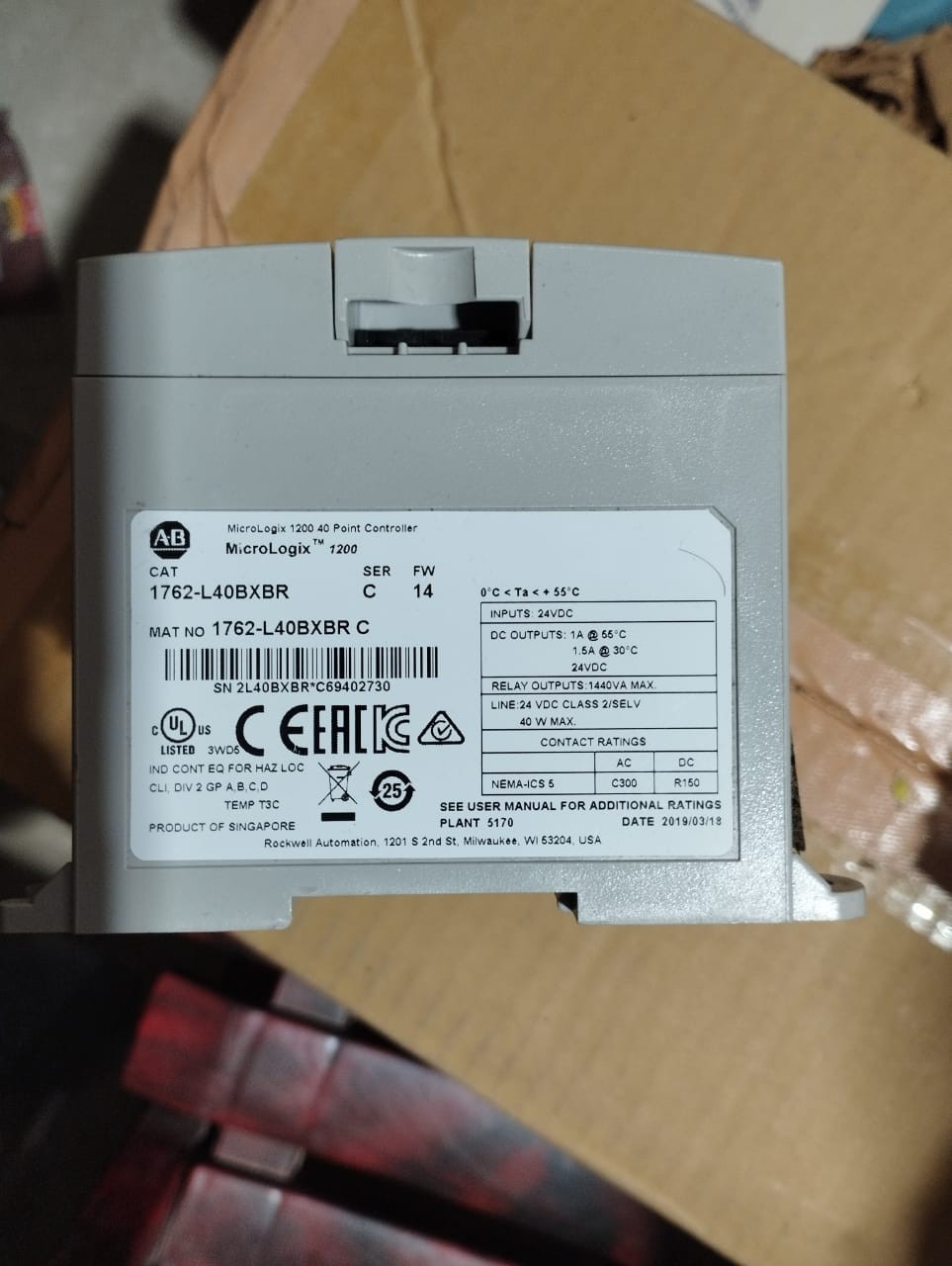
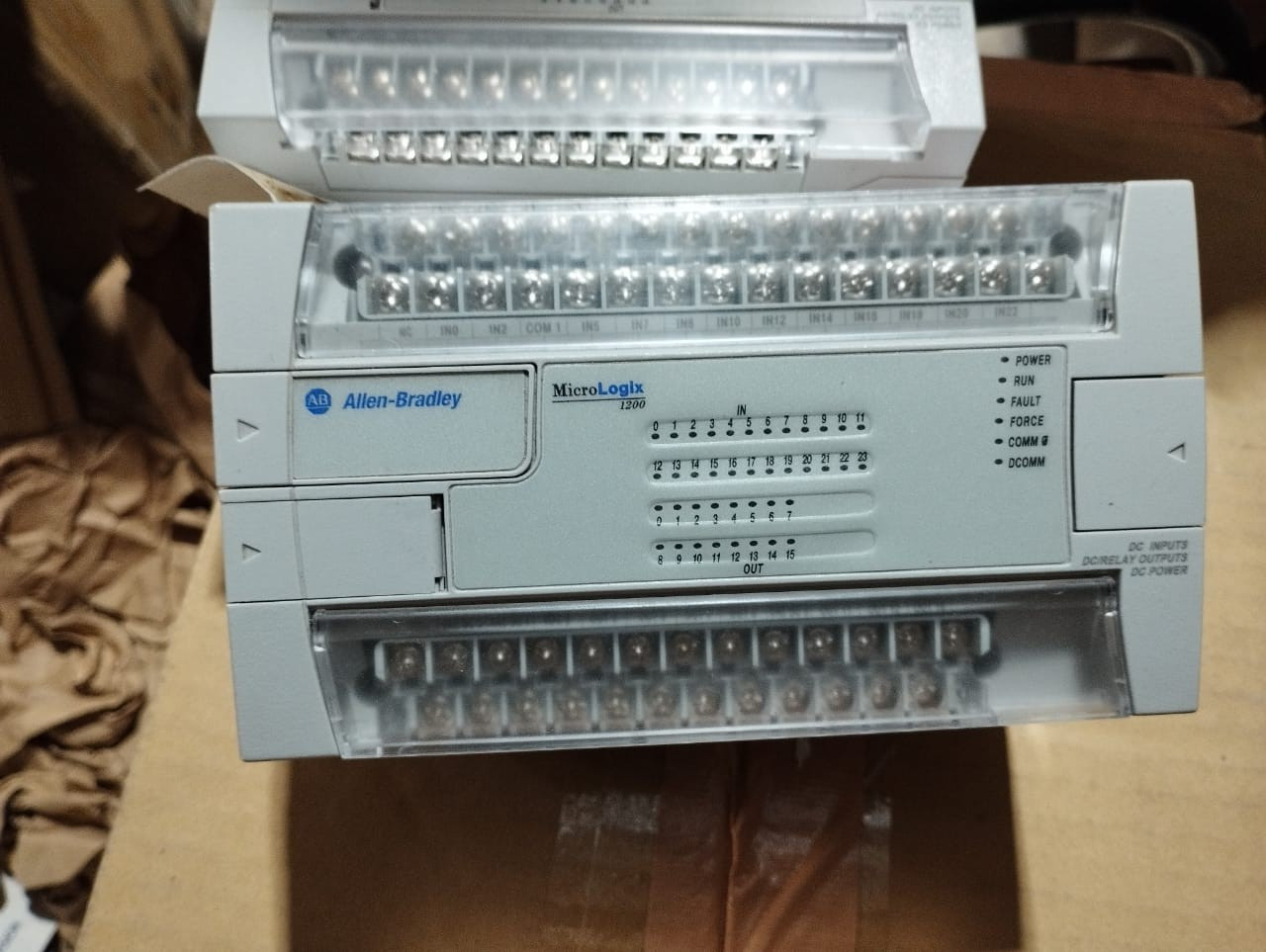
Check the product at Ekra Cargo
What
is an Allen-Bradley Controller?
An Allen-Bradley controller, also
known as a PLC (Programmable Logic Controller), is a small, rugged computer
used for industrial automation. These controllers automate electromechanical
processes like:
- Assembly lines
- Robotic devices
- Conveyor systems
- Lighting and HVAC control
Allen-Bradley, a brand by Rockwell
Automation, is widely used for its durability, scalability, and user-friendly
software.
Why
Choose Allen-Bradley Controllers?
Allen-Bradley controllers stand out
for several reasons:
- Reliability:
Built to handle harsh industrial environments.
- Flexibility:
Easily scales with your system’s growth.
- Support:
Backed by Rockwell Automation’s global service network.
- Software Integration:
Smooth connection with Studio 5000 and FactoryTalk.
Popular
Types of Allen-Bradley Controllers
Allen-Bradley offers a range of
controllers to suit various industrial needs:
1.
MicroLogix Series
- Ideal for small machines and standalone applications.
- Compact design and affordable.
2.
CompactLogix Series
- Perfect for mid-sized systems.
- Offers great flexibility with Ethernet/IP and motion
capabilities.
3.
ControlLogix Series
- Designed for large-scale industrial automation.
- Highly scalable with advanced motion, safety, and batch
control.
Top
Allen-Bradley Controllers: Recommendations
Here’s a breakdown of some reliable
models worth your attention.
1.
Allen-Bradley Micro820 (2080-LC20-20QWB)
Pros:
- Budget-friendly.
- Built-in Ethernet port.
- Great for small machines.
Cons:
- Limited I/O expansion.
- Not ideal for large systems.
2.
Allen-Bradley CompactLogix 5380 (5069-L310ER)
Pros:
- Supports advanced motion control.
- High-speed I/O capabilities.
- Compact yet powerful.
Cons:
- Higher price point.
- Requires some experience to configure.
3.
Allen-Bradley ControlLogix 5580 (1756-L83E)
Pros:
- Extreme scalability.
- High-performance processor.
- Supports complex operations and large networks.
Cons:
- Expensive.
- Overkill for smaller projects.
Buying
Guide: How to Choose the Right Allen-Bradley Controller
Choosing the right controller
depends on your specific needs. Here’s a checklist to make your decision
easier:
1.
Define Your Application
- Small machine? Look at MicroLogix.
- Mid-sized system? CompactLogix fits well.
- Large networked environment? Go for ControlLogix.
2.
I/O Requirements
- Count the number of digital and analog inputs/outputs.
- Always plan for future expansion.
3.
Communication Needs
- Need Ethernet/IP? CompactLogix and ControlLogix have
you covered.
- For serial communications, MicroLogix might suffice.
4.
Software Compatibility
- All Allen-Bradley controllers integrate with Studio
5000 or RSLogix.
- Check your system’s software license before purchase.
5.
Budget
- Balance features and costs.
- Start small and upgrade as your needs grow.
My
Personal Experience with Allen-Bradley Controllers
As someone who’s worked with both
small and large industrial systems, Allen-Bradley has never let me down. From
setting up a MicroLogix for a conveyor belt to deploying a ControlLogix 5580 in
a fully automated plant, the experience has been seamless.
The learning curve, especially with
Studio 5000, is surprisingly beginner-friendly. Their documentation and online
forums make troubleshooting almost enjoyable. If you want stability and
scalability, Allen-Bradley is a solid bet.
Pros
and Cons of Allen-Bradley Controllers
Pros:
- Industry-standard reliability.
- Wide variety of models for different needs.
- Easy integration with Rockwell software.
- Strong community and tech support.
Cons:
- Higher upfront costs compared to some competitors.
- Learning curve for advanced programming.
- Licensing for software can be expensive.
FAQs
About Allen-Bradley Controllers
1.
Are Allen-Bradley controllers beginner-friendly?
Yes! While the initial setup might
look complex, Rockwell’s documentation and community support make it easy for
anyone to start.
2.
Can I use Allen-Bradley controllers for home automation?
Technically, yes — but they’re
designed for industrial applications. You might be better off with simpler home
automation systems.
3.
What software do Allen-Bradley controllers use?
Most modern Allen-Bradley
controllers use Studio 5000 or RSLogix for programming and
monitoring.
4.
Is technical support easily available?
Absolutely. Rockwell Automation has a vast global network for customer service and technical support.
Final
Thoughts
Allen-Bradley controllers are a
fantastic choice for both beginners and seasoned professionals. They offer
unmatched durability, flexibility, and performance. Whether you're setting up a
single machine or automating an entire factory, there’s an Allen-Bradley
controller that fits your needs.
Take the time to define your goals, understand your hardware and software requirements, and choose a controller that can grow with your system. Investing in Allen-Bradley is more than just buying hardware — it’s stepping into a future-proof automation ecosystem.


Ekracargo.com - Your trusted partner in industrial efficiency, providing a wide range of premium quality spare parts at competitive prices.
Contact Info
- Address: House 54 | Road 14 | Sector 14 | Uttara | Dhaka 1230 | Bangladesh
- Phone: Contact: +8801634736139 (WhatsApp) ,+8801789394669 (WhatsApp)
- Email: info@ekracargo.com