





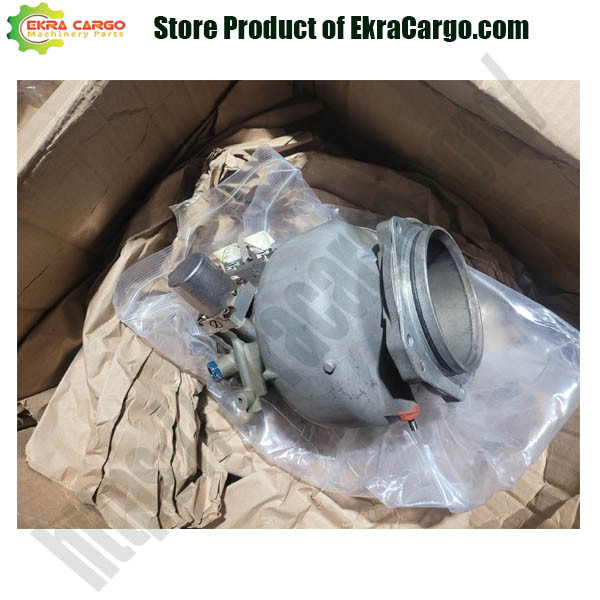
Aircraft Bleed Valve Replacement: An In-Depth Guide to Function, Failure, and Maintenance
In the complex ecosystem of an aircraft's systems, the pneumatic system is a cornerstone of both comfort and safety. Responsible for cabin pressurization, air conditioning, and wing anti-icing, its reliable operation is non-negotiable. At the heart of this system lies a critical component: the bleed valve. When this valve malfunctions, a swift and professional aircraft bleed valve replacement becomes paramount to avoid operational disruptions and ensure safety compliance. This guide provides a detailed overview of everything you need to know about this crucial maintenance procedure.
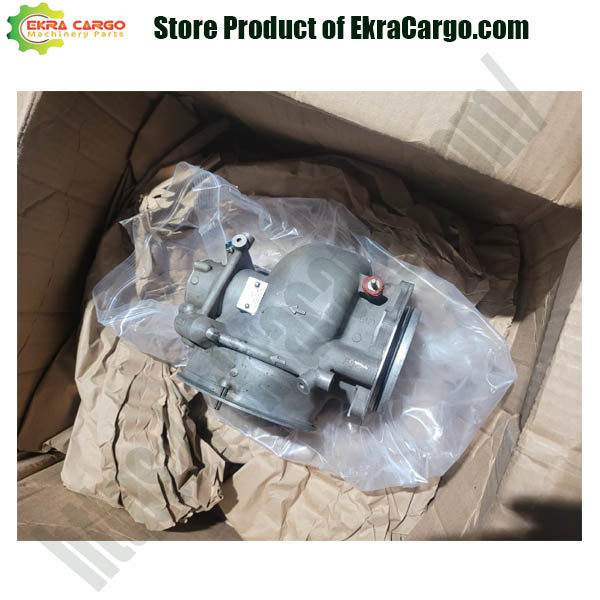
For a reliable solution, explore the Valve Bleed Interstage Assembly 540-0949-P22 here.
Understanding the Bleed Air System and the Role
of the Bleed Valve
To appreciate
the importance of the bleed valve, one must first understand the bleed air
system. Modern jet engines are incredibly efficient, and one of their
byproducts is high-pressure, high-temperature air extracted or "bled"
from the compressor sections. This bled air is a potent source of energy, but
it must be carefully managed before it can be used.
The bleed valve
acts as the primary regulator and gateway for this air. Its core functions are:
1. Pressure Regulation: It modulates the flow of
high-pressure air from the engine, stepping it down to a usable pressure for
the aircraft's pneumatic system.
2. Temperature Control: The valve works in concert with
pre-coolers to reduce the air temperature, which can exceed 400°C, to a level
safe for distribution throughout the aircraft.
3. Isolation: In the event of a malfunction or
during specific flight phases, the bleed valve can shut completely, isolating
the engine from the pneumatic system. This prevents damage to downstream
components and ensures system integrity.
There are
typically two types: the High-Stage Valve (which opens at lower engine thrust
settings) and the Low-Stage Valve (which operates at higher thrust). Many
modern aircraft use a single, sophisticated Pressure Regulating and Shut-Off
Valve (PRSOV) that combines these functions. A precise aircraft
bleed valve replacement is therefore not a simple swap; it
requires a deep understanding of the specific valve type and its integration
into the larger system.
Common Causes and Symptoms of Bleed Valve
Failure
A failing bleed
valve rarely fails without warning. Maintenance crews and operational data are
trained to spot the tell-tale signs that indicate an impending failure or the
immediate need for an aircraft bleed valve replacement.
Common
Causes of Failure:
·
Thermal Fatigue and Cycling: The constant exposure to extreme
temperature fluctuations causes metal components to expand and contract,
leading to stress cracks and material degradation over time.
·
Contamination: Ingested debris, oil, or chemical residues from the engine
can coat internal surfaces, causing the valve to stick or seize.
·
Erosion and Corrosion: The high-velocity, hot air flow can physically
erode valve seats and seals. Corrosion can also set in, especially in
environments with high salinity or humidity.
·
Actuator Mechanism Failure: The pneumatic or electric
actuators that control the valve's position can themselves fail due to worn
seals, electrical faults, or mechanical jams.
Key
Symptoms Indicating a Problem:
·
Illuminated BLEED Trip or Fault Lights: The most direct indicator from the
aircraft's monitoring system.
·
Loss of Cabin Pressurization: A primary symptom, often noticed
as difficulty in breathing, ear popping, or the deployment of oxygen masks.
·
Inadequate Air Conditioning: The flight deck or cabin may fail
to heat or cool properly, indicating insufficient or irregular bleed air flow.
·
Increased Fuel Consumption: The engines must work harder to
compensate for the lost bleed air, leading to a noticeable rise in fuel burn.
·
Unusual Engine Parameters: Fluctuations in engine pressure
ratio (EPR) or other performance metrics can sometimes be traced back to a
bleed air leak or malfunction.
·
Aircraft on Ground (AOG) Situation: A complete valve failure can render
the aircraft unairworthy, leading to costly cancellations and delays.
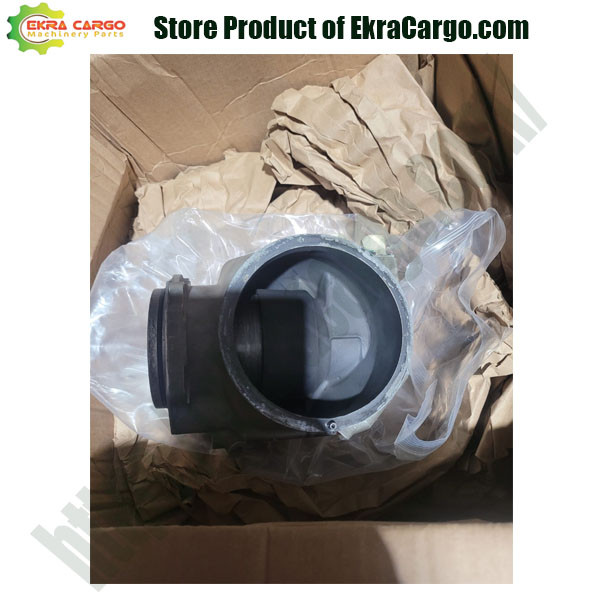
The Step-by-Step Process of a Professional
Aircraft Bleed Valve Replacement
A professional
aircraft bleed valve replacement is a meticulous process that follows strict
protocols to ensure safety and airworthiness.
1. Troubleshooting and Confirmation: The process begins with a thorough
analysis of the fault codes and a physical inspection. Technicians use manuals
and diagnostic tools to confirm that the bleed valve is the root cause and not
a symptom of a larger issue, such as a leak in a duct or a faulty sensor.
2. Parts Sourcing and Verification: Once the valve is confirmed as
faulty, the search for a replacement begins. This is a critical step. The
replacement part must be certified, come with traceable documentation (FAA
8130-3, EASA Form 1), and be the correct part number for the specific aircraft
model and engine configuration. Sourcing from a reputable supplier with a
proven track record in quality assurance is essential.
3. Aircraft Depressurization and System
Isolation: Before
any work begins, the aircraft's pneumatic system is completely depressurized.
Technicians follow lock-out/tag-out procedures to ensure the system cannot be
accidentally activated, guaranteeing their safety.
4. Removal of the Faulty Valve: Access panels are removed, and the
faulty valve is located. After disconnecting any electrical harnesses,
pneumatic lines, and control linkages, the valve is unbolted from its mounting
and carefully removed.
5. Installation of the New Valve: The new valve, along with any new
mandatory seals and gaskets, is installed. Torque values for all fasteners are
meticulously followed as per the Aircraft Maintenance Manual (AMM). All
connections are re-established.
6. Operational Testing and Sign-Off: This is the most critical phase.
The system is re-pressurized, and the new valve undergoes a series of
operational checks. Technicians verify that the valve opens, closes, and
modulates correctly in response to cockpit commands. They also perform leak
checks to ensure the integrity of all connections. Only after all tests are
passed and documented is the aircraft cleared for service.
The Critical Importance of Quality Components
in Maintenance
The reliability
of any repair is directly tied to the quality of the parts used. In the context
of an aircraft bleed valve replacement, opting for uncertified or questionable
parts is a significant risk. A substandard valve can lead to premature failure,
in-flight shutdowns, and potentially catastrophic pressurization loss. It can
also cause collateral damage to other expensive system components like air
conditioning packs and anti-ice valves.
Therefore, sourcing components from suppliers who provide full traceability and guarantee compliance with OEM standards is not just a best practice—it's a fundamental requirement for safe operations. Components like the Valve Bleed Interstage Assembly are precision-engineered to withstand extreme conditions, and only parts manufactured and certified to the same rigorous standards can ensure long-term performance and safety.
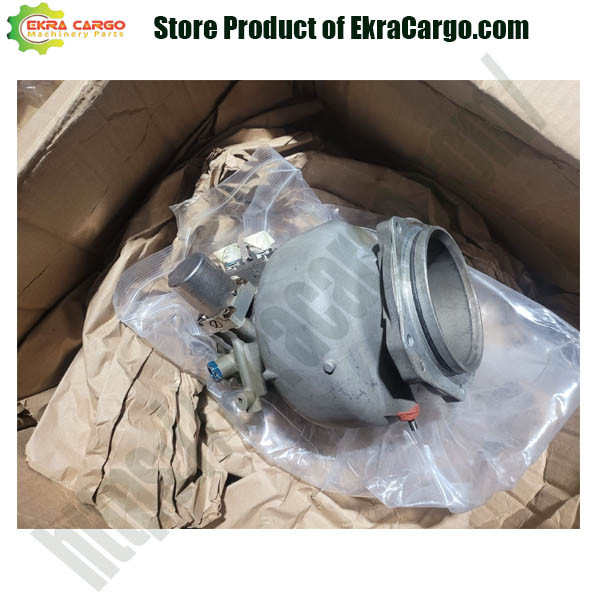
For a reliable
solution, explore the Valve Bleed Interstage Assembly 540-0949-P22 here.
Conclusion
A proactive approach to bleed system maintenance is key to avoiding the disruptive and costly scenario of an unscheduled aircraft bleed valve replacement. By understanding the valve's function, recognizing the early signs of failure, and adhering to a rigorous replacement protocol using only the highest quality, certified parts, maintenance teams can ensure the continued airworthiness and operational efficiency of their fleet. Always prioritize working with experienced technicians and trusted suppliers to guarantee the integrity of this vital safety system.


Ekracargo.com - Your trusted partner in industrial efficiency, providing a wide range of premium quality spare parts at competitive prices.
Contact Info
- Address: House 54 | Road 14 | Sector 14 | Uttara | Dhaka 1230 | Bangladesh
- Phone: Contact: +8801634736139 (WhatsApp) ,+8801789394669 (WhatsApp)
- Email: info@ekracargo.com