




Air Operated Cylinder A Complete Guide for Beginners and Professionals | Detailed Tips | Maintenance | FAQ |
Air Operated Cylinder: A Complete Guide for Beginners
and Professionals
Whether you're new to pneumatic systems or a seasoned technician, understanding air operated cylinders is essential. These powerful components convert compressed air into linear motion, helping machines operate with precision and efficiency.

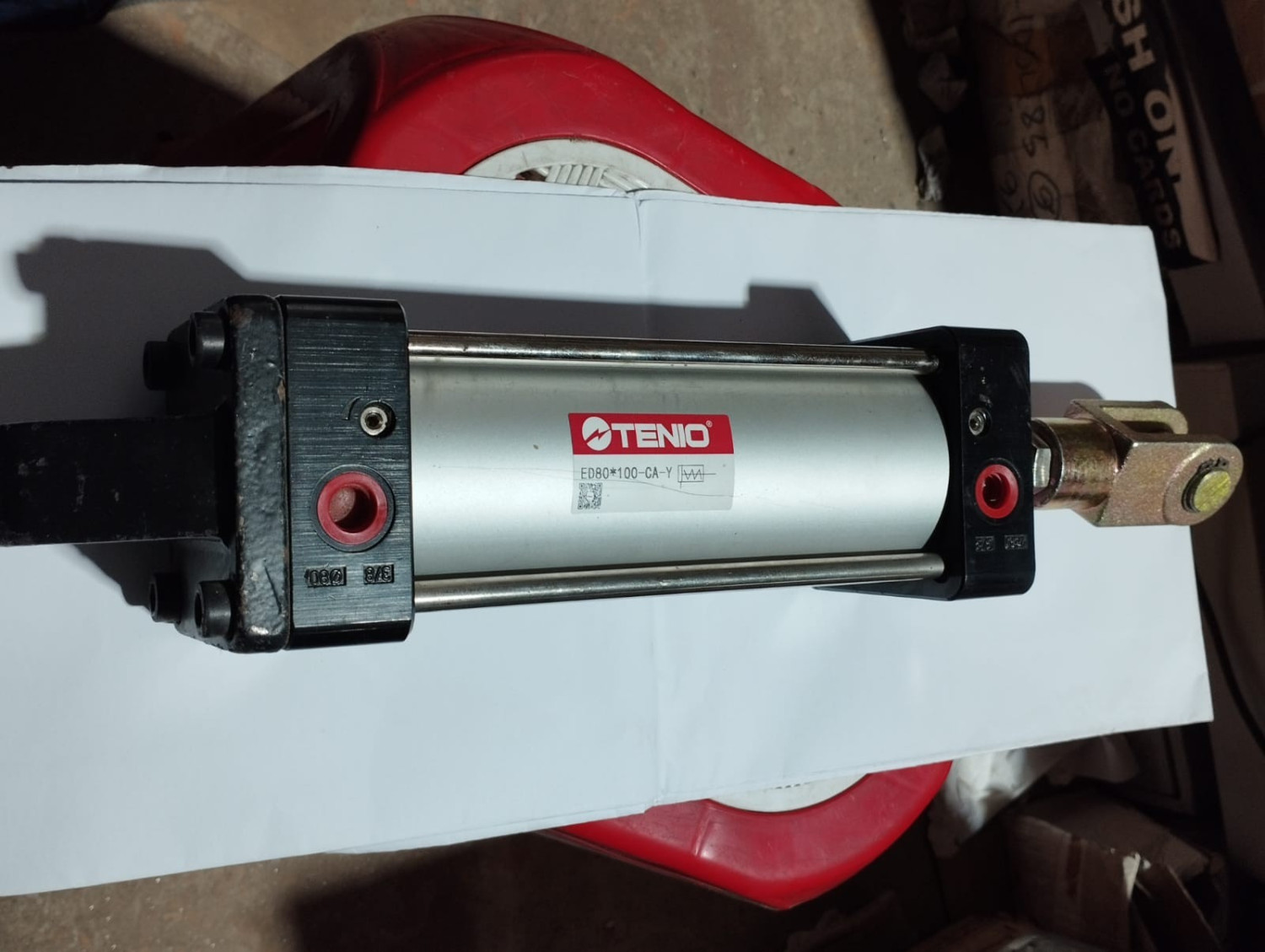
Check the product at Ekra Cargo
In this guide, you’ll learn:
- What an air operated cylinder is
- How it works
- Types and applications
- Best products to buy
- Pros and cons
- Buying tips
- FAQs answered
Let’s dive in.
What
Is an Air Operated Cylinder?
An air operated cylinder,
also known as a pneumatic cylinder, is a mechanical device that uses
compressed air to produce motion. This motion is typically linear — either
pushing or pulling.
They are widely used in:
- Manufacturing automation
- Packaging equipment
- Robotics
- Automotive systems
- Food and beverage industries
How
Does an Air Operated Cylinder Work?
It’s quite simple:
1.
Compressed
air enters the cylinder.
2.
This air pushes against a piston.
3.
The piston moves, creating linear
motion.
4.
The movement can be used to lift,
push, pull, or press an object.
Once the task is complete, the air
is released or redirected, returning the piston to its original position.
Types
of Air Operated Cylinders
Understanding the different types
helps in choosing the right one for your task.
1.
Single-Acting Cylinders (SAC)
- Uses air to move the piston in one direction.
- A spring returns it to the original position.
Best for: Simple, low-force tasks.
2.
Double-Acting Cylinders (DAC)
- Air is used to move the piston in both directions.
- More powerful and efficient.
Best for: Applications needing controlled motion in both directions.
3.
Rodless Cylinders
- No piston rod extends from the cylinder.
- Compact design, good for limited space.
Best for: Conveyor belts, packaging systems.
4.
Telescopic Cylinders
- Multiple sleeves slide out like a telescope.
- Longer stroke in compact size.
Best for: Dump trucks, lifting equipment.
Top
3 Air Operated Cylinders to Buy
Here are our top recommendations
based on quality, price, and performance:
1.
SMC NCDMB Series Double Acting Cylinder
Pros:
- High-quality aluminum build
- Excellent repeatability
- Wide range of bore sizes
Cons:
- Slightly expensive
- May need adapters for custom setups
2.
Festo DSNU-25-100-P-A Compact Pneumatic Cylinder
Pros:
- Reliable German engineering
- Stainless steel piston rod
- Silent operation
Cons:
- Premium price
- Requires precise air supply
3.
Airtac SC32x100 Standard Cylinder
Pros:
- Affordable and beginner-friendly
- Easy to install
- Widely available
Cons:
- Not ideal for high-load applications
- Seals may wear over time with heavy use
Pros
and Cons of Using Air Operated Cylinders
✅
Pros:
- Clean and safe (no electrical hazards)
- Cost-effective
- Lightweight and easy to maintain
- Fast and responsive motion
❌
Cons:
- Requires continuous air supply
- Can be noisy without silencers
- Not suitable for very high-force applications
My
Personal Experience
When I first installed an air
operated cylinder on a DIY CNC machine, I was amazed by its precision. I chose
a double-acting Festo model, and it ran smoothly for months with minimal
maintenance. The ease of installation and adjustability made the learning curve
manageable.
If you're unsure where to start, I
recommend starting with Airtac products. They're affordable,
well-documented, and perfect for testing before moving to premium models like
SMC or Festo.
Buying
Guide: What to Look For
Here’s what to consider when buying
an air operated cylinder:
1.
Bore Size
- Larger bores = more force.
- Match the bore size to your load requirements.
2.
Stroke Length
- Determines how far the piston can travel.
- Choose a stroke length that matches your task.
3.
Mounting Type
- Options include flange, foot, or clevis mounts.
- Check compatibility with your machine setup.
4.
Operating Pressure
- Match with your air compressor’s output.
- Most operate between 60–120 PSI.
5.
Speed Control
- Look for cylinders with adjustable speed control.
- Helps avoid mechanical stress and improves precision.
6.
Materials
- Aluminum: lightweight and corrosion-resistant.
- Stainless steel: ideal for food or chemical
environments.
FAQs
About Air Operated Cylinders
Q1:
Can I use an air cylinder without a compressor?
No. You need compressed air from a
compressor to operate it.
Q2:
How long do air cylinders last?
With regular maintenance, they can
last 5–10 years or more.
Q3:
Are they safe for home projects?
Yes, as long as you follow pressure
and mounting guidelines.
Q4:
What’s the difference between pneumatic and hydraulic cylinders?
Pneumatic uses air (lighter,
faster), while hydraulic uses oil (stronger, slower).
Q5:
Can I control the speed of the piston?
Yes, with flow control valves or by adjusting the air pressure.
Final
Thoughts
Air operated cylinders are essential
tools in modern automation. Whether you're an engineer or a DIY hobbyist,
understanding how they work and choosing the right model can save you time and
money.
Start small, experiment, and gradually move up to more complex systems. With the right setup, pneumatic cylinders can transform how your machines function.


Ekracargo.com - Your trusted partner in industrial efficiency, providing a wide range of premium quality spare parts at competitive prices.
Contact Info
- Address: House 54 | Road 14 | Sector 14 | Uttara | Dhaka 1230 | Bangladesh
- Phone: Contact: +8801634736139 (WhatsApp) ,+8801789394669 (WhatsApp)
- Email: info@ekracargo.com