




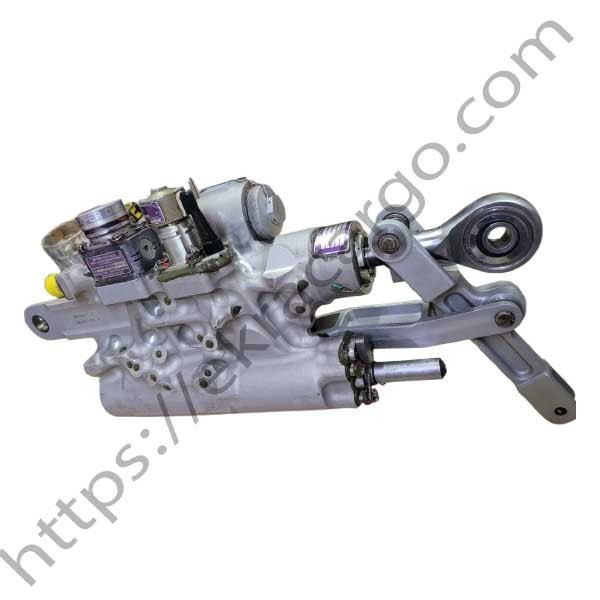
737 Flight Controls: A Simple Guide to How Pilots Control the Aircraft
The 737 flight controls are the systems that allow pilots to guide the aircraft safely and smoothly in the air and on the ground. These controls respond to pilot input and adjust the aircraft’s movement in three main directions: pitch, roll, and yaw.
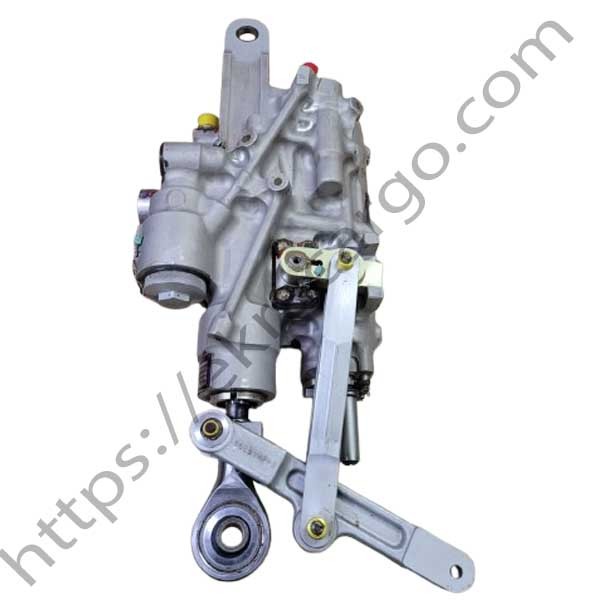
Check the product at Ekra Cargo
The primary flight controls on the
Boeing 737 include the ailerons,
elevator, and rudder. Ailerons control roll by moving the
aircraft left or right. The elevator controls pitch, helping the aircraft climb
or descend. The rudder controls yaw and supports directional stability,
especially during crosswinds and engine-out situations.
In addition to the primary controls, the 737 uses secondary flight controls such as flaps, slats, spoilers, and speed brakes. Flaps and slats increase lift during takeoff and landing, allowing the aircraft to fly safely at lower speeds. Spoilers assist with roll control and help reduce lift after landing, improving braking effectiveness.
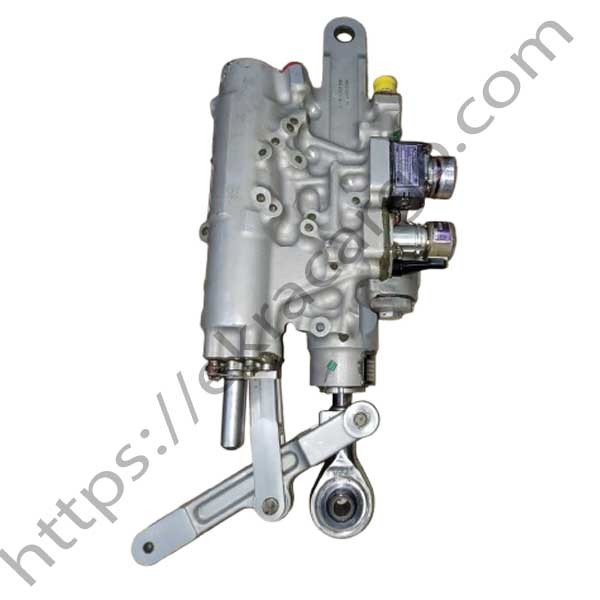
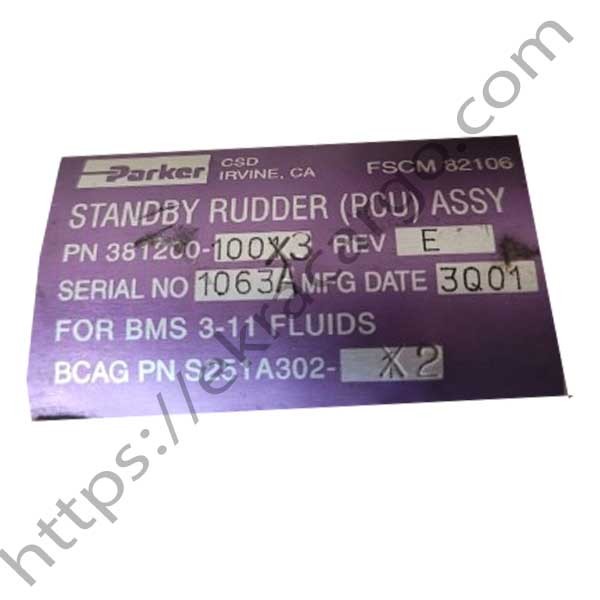
Most Parker 737
flight controls are powered by hydraulic systems, which provide
the necessary force to move large control surfaces accurately. The aircraft is
designed with system redundancy, meaning backup systems are available if one hydraulic
source fails. This design enhances reliability and flight safety.
Pilots control these systems using the control column, rudder pedals, and various cockpit switches. Regular maintenance ensures that all flight controls move smoothly and respond correctly to commands.
In conclusion, 737 flight controls are a vital part of aircraft
operation. Their reliable design, redundancy, and precise response help pilots
maintain control, comfort, and safety throughout every flight.


Ekracargo.com - Your trusted partner in industrial efficiency, providing a wide range of premium quality spare parts at competitive prices.
Contact Info
- Address: House 54 | Road 14 | Sector 14 | Uttara | Dhaka 1230 | Bangladesh
- Phone: Contact: +8801634736139 (WhatsApp) ,+8801789394669 (WhatsApp)
- Email: info@ekracargo.com